You've tried to lose weight. Why is it still so difficult?
Diet plans, intermittent fasting, exercise routines and meal replacements: you may have tried several approaches to lose weight. But if the results haven't lasted, it can be frustrating.
Obesity is a complex medical condition, not simply a lack of willpower. Genetics, hormones, medications, lifestyle and other health factors can influence body weight.
Although diet and physical activity are important, some people find it difficult to achieve and maintain significant weight loss through lifestyle changes alone. For people living with obesity, bariatric surgery may be an option when non-surgical treatments have not delivered sufficient, lasting results.
At Novo Robotic Surgery Centre in Kaushambi, Ghaziabad, patients can consult a specialist to understand available weight-loss surgery options, including robotic-assisted procedures, and determine which approach may suit their individual needs.
What is robotic bariatric surgery?
Bariatric surgery, also known as weight-loss surgery, includes procedures that change the size of the stomach and, in some operations, the way food passes through the digestive system. These changes can help patients feel full sooner, eat smaller portions and achieve significant weight loss over time.
In robotic bariatric surgery, the surgeon operates using specialised instruments controlled through a robotic surgical system. The surgeon remains in control throughout the procedure. Depending on the system and procedure, robotic assistance can provide:
Magnified 3D visualisation
Helps the surgeon see anatomical structures clearly.
Flexible instrument movement
Allows precise movements in different directions.
Support for surgical suturing
Helps the surgeon perform delicate stitching during the operation.
The suitability of robotic-assisted surgery depends on your condition, the planned procedure and the surgeon's clinical judgement. Robotic surgery does not guarantee better outcomes than conventional laparoscopic surgery, and the potential benefits and risks should be discussed during consultation.
Types of robotic weight-loss surgery
The most appropriate procedure depends on several factors, including BMI, eating patterns, existing health conditions, medical history and individual treatment goals.
Robotic Sleeve Gastrectomy
A large portion of the stomach is removed, leaving a narrow, sleeve-shaped stomach. This reduces the amount of food the stomach can hold and affects hunger-related hormones.
It may help suitable patients eat smaller portions and achieve significant weight loss. However, it is irreversible and can affect conditions such as acid reflux, so careful assessment is important.
Learn more about robotic sleeve gastrectomyRobotic Roux-en-Y Gastric Bypass
The surgeon creates a small stomach pouch and connects it to the small intestine. This changes the amount of food the stomach can hold and the route food takes through the digestive system.
It can support weight loss and improve certain obesity-related conditions, including type 2 diabetes. It may also be considered for some patients with acid reflux, depending on their clinical assessment.
Learn more about robotic Roux-en-Y gastric bypassRobotic Mini Gastric Bypass
Also called one-anastomosis gastric bypass, it involves creating a small stomach pouch and connecting it to the small intestine through a single connection.
It can support substantial weight loss and improve certain obesity-related health conditions in appropriately selected patients. As with other bypass procedures, nutritional monitoring and long-term follow-up are essential.
Learn more about robotic mini gastric bypass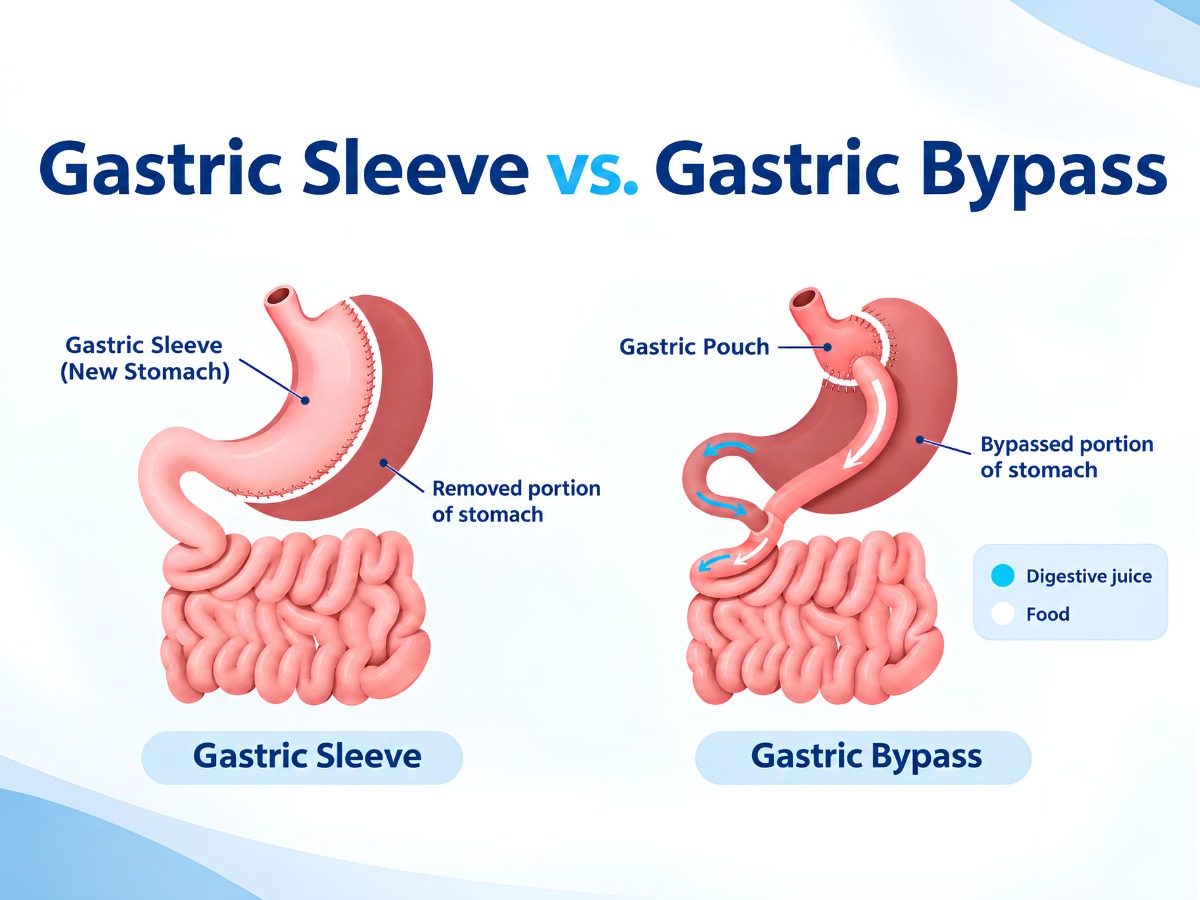
Your surgeon will explain the differences between these procedures, including their expected benefits, limitations and potential complications, before recommending an approach.
Am I a candidate for bariatric surgery?
Bariatric surgery may be considered when obesity affects your health or quality of life and non-surgical treatments have not achieved sufficient results. Factors your specialist may assess include:
- Your BMI and overall health.
- Conditions such as type 2 diabetes, high blood pressure, sleep apnoea or joint problems.
- Your previous weight-management treatments and their results.
- Your nutritional status and medical history.
- Your readiness to follow dietary recommendations and attend long-term follow-up appointments.
International guidelines recommend metabolic and bariatric surgery for appropriately selected adults with a BMI of 35 or above. Surgery may also be considered for selected patients with lower BMI values, particularly those with metabolic disease or other obesity-related conditions that have not improved sufficiently with non-surgical treatment. Different BMI thresholds may apply to Asian populations.
Important
BMI alone does not determine whether surgery is suitable for you.
A specialist needs to assess your individual circumstances, health risks and treatment options before making a recommendation.
What are the potential benefits of robotic bariatric surgery?
Robotic assistance may offer technical advantages during selected procedures. However, the results depend on the procedure, the patient's health and the surgical team's experience. Potential considerations include:
Small incisions
Robotic bariatric procedures are generally performed through small incisions.
Visualisation and instrument control
The robotic system provides a magnified view and allows the surgeon to control specialised instruments.
Recovery support
Some patients can gradually return to everyday activities as they recover, following their surgeon's advice.
Weight and metabolic health
Bariatric surgery can support significant weight loss and may improve obesity-related conditions in suitable patients.
Every operation carries risks
Potential risks of bariatric surgery include:
- Bleeding
- Infection
- Blood clots
- Leaks
- Nutritional deficiencies
- Anaesthesia-related complications
Robotic assistance does not eliminate these risks or guarantee less pain, fewer complications or a faster recovery. Discuss the risks and expected benefits with your surgeon before deciding on treatment.
Life after bariatric surgery: what should you expect?
Bariatric surgery is an important step in weight management, but ongoing care plays a major role in long-term outcomes.
- 01
Dietary changes
Your diet typically progresses through stages, starting with liquids and gradually moving to other food textures as advised by your clinical team. Portion sizes, hydration and protein intake become important parts of your routine.
- 02
Gradual return to daily activities
Recovery varies according to the procedure, your health and how your body heals. Your surgeon will advise when you can resume walking, work, exercise and other activities.
- 03
Weight-loss progress
Weight loss occurs gradually and varies from person to person. Results depend on the procedure, starting weight, medical conditions, eating habits, physical activity and continued follow-up.
- 04
Long-term monitoring
You may need prescribed vitamin and mineral supplements, regular blood tests and ongoing nutritional support. Follow-up appointments help your team monitor progress and identify potential concerns.
Some patients also experience improvements in blood sugar, blood pressure, sleep apnoea and mobility. The extent of improvement varies, and outcomes cannot be guaranteed.
Why consult Novo Robotic Surgery Centre in Ghaziabad?
Choosing bariatric surgery involves more than selecting a procedure. It requires an individual assessment, clear information about treatment options and a plan for recovery and long-term care.
At Novo Robotic Surgery Centre, Kaushambi, Ghaziabad, you can consult the surgical team, led by Dr. Vikrant Sharma, to discuss robotic-assisted weight-loss procedures, understand the possible benefits and risks, and learn what ongoing care may involve. A consultation can help you understand whether bariatric surgery is appropriate for your health needs and which options may be available.
Kaushambi, Ghaziabad · Delhi NCR
Take the first step towards better weight management
If you have struggled to achieve lasting weight loss despite repeated attempts, you do not have to navigate the options alone. Book a consultation to discuss your weight-management concerns and learn whether robotic bariatric surgery may be suitable for you.
FAQ
Frequently asked questions
Is robotic bariatric surgery safe?
Bariatric surgery is an established treatment for appropriately selected patients with obesity, but it is a major operation with potential risks. Robotic assistance does not eliminate these risks. Your surgeon will explain the benefits, alternatives and possible complications based on your medical history.
How much weight can I lose after bariatric surgery?
Weight loss varies depending on the procedure, starting weight, health conditions and long-term habits. Your surgeon can discuss realistic expectations based on your individual assessment. No specific amount of weight loss can be guaranteed.
Will I be able to eat normally after bariatric surgery?
Most patients gradually return to a varied diet, but portion sizes and eating habits usually change. You will receive guidance on food progression, hydration, protein intake and nutritional supplements.
Can weight return after bariatric surgery?
Yes. Weight regain can occur after surgery. Regular follow-ups, nutritional guidance, appropriate physical activity and medical support can help you manage your weight over the long term.
What is the cost of bariatric surgery in Ghaziabad?
The cost depends on the procedure, hospital requirements, medical evaluation and individual treatment needs. Contact Novo Robotic Surgery Centre for information about the applicable procedure costs and available insurance guidance.
What is the difference between robotic and laparoscopic bariatric surgery?
Both approaches generally use small incisions. In conventional laparoscopy, the surgeon directly controls long surgical instruments while viewing a camera display. In robotic-assisted surgery, the surgeon controls specialised instruments through a robotic system that provides a magnified view and instrument articulation. The most suitable approach depends on the patient's needs, the procedure and the surgeon's assessment.
This article is for general information and is not a substitute for medical advice. Please consult a qualified surgeon about your own situation.