
Overview
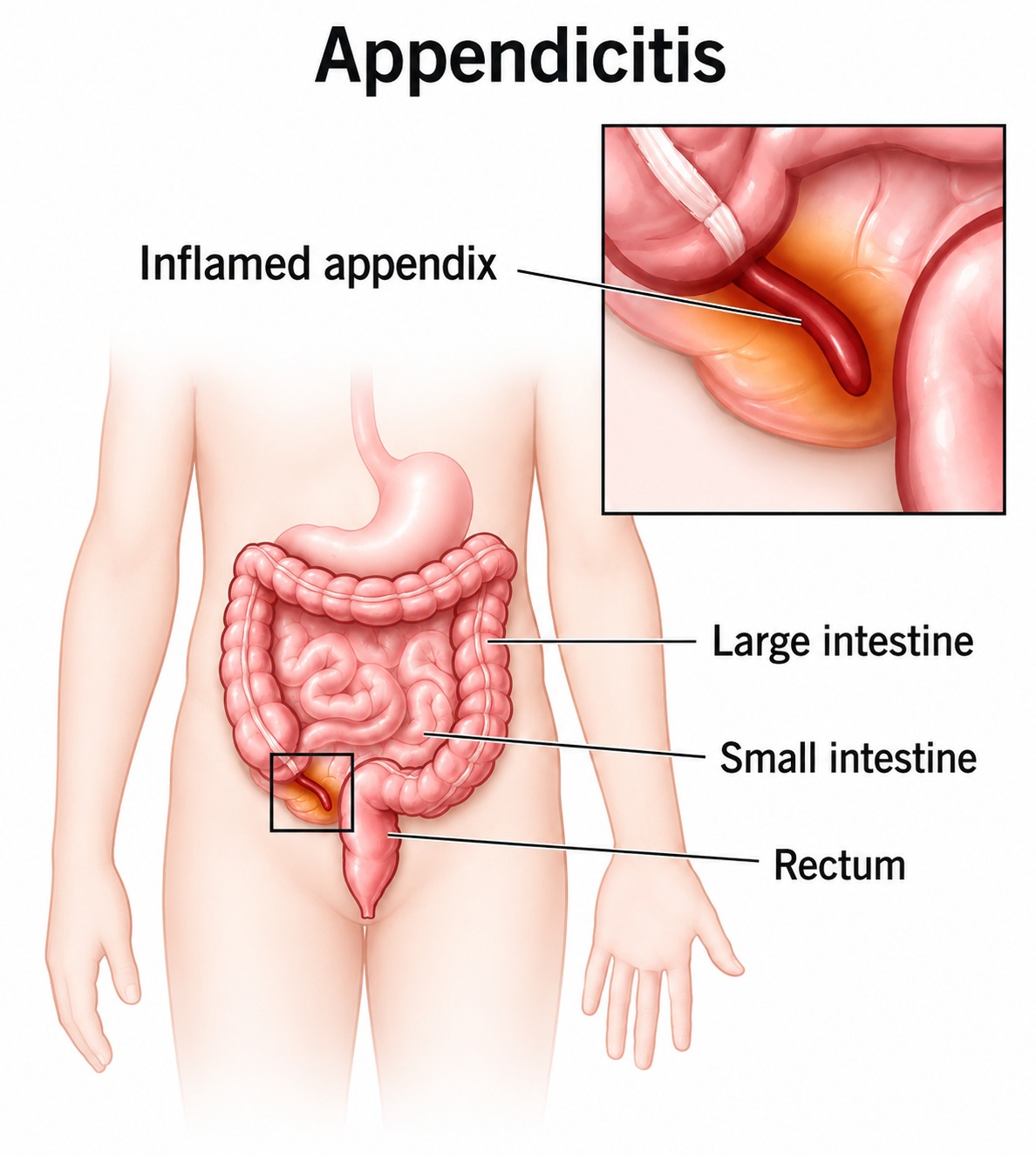
Understanding Appendix (Appendicitis)?
The appendix is a small, finger-shaped organ attached to the large intestine in the lower right side of the abdomen. Normally, the appendix causes no problems. But when it becomes inflamed or infected, it leads to a condition known as 'appendicitis'.
If appendicitis is not treated on time, the inflamed appendix can burst (rupture). This can cause an infection to spread within the abdomen and lead to a severe medical emergency, which requires immediate surgical treatment.
Why Do You Need an Appendectomy?
Once the appendix (appendicitis) becomes inflamed, the best and safest treatment is an appendectomy (surgical removal). Because there is no non-surgical way to "unblock" an infected appendix, removing it promptly prevents the risk of a life-threatening burst.
What are the Common Symptoms of Appendix?
Seek immediate care if you experience these
Sharp Pain
Sharp pain starting near the navel and shifting to the lower right abdomen.
Nausea
Nausea and vomiting.
Fever
Mild fever.
Swelling
Abdominal swelling or tenderness.
10x Magnification
Technology
What is Robotic Appendix Surgery (Appendectomy)?
Robotic appendix surgery, also known as robotic appendectomy, is a modern and minimally invasive surgical procedure used to remove a swollen or infected appendix. During this surgery, surgeons at the Novo Robotic Surgery Centre utilize a robot-assisted system equipped with small surgical instruments and a high-definition 3D camera. This enables the surgery to be performed through very small incisions.
The robotic system does not work on its own, it is entirely controlled by the surgeon. This provides enhanced precision, flexibility, and superior visibility during the surgical procedure.
The Advantage
Benefits of Robotic Appendix Surgery (Appendectomy)
Robotic appendix surgery offers several benefits compared to traditional open surgery.
High Precision Surgery
The robotic system allows the surgeon to perform the procedure with exceptional accuracy, even in delicate and hard-to-reach areas around the appendix.
Minimal Scarring
This surgery is performed through very small "keyhole" incisions, which means that the scars are barely visible after recovery.
Less Pain & Discomfort
Small incisions cause less damage to surrounding tissues, resulting in reduced post-operative pain and less need for pain medication.
Faster Recovery
Most patients recover quicker and can return to their normal daily activities sooner compared to traditional open surgery.
Lower Risk of Infection
Robotic-assisted surgery helps minimize blood loss and reduces the chances of infection and other surgical complications.
Shorter Hospital Stay
Many patients are discharged earlier due to faster healing and smoother recovery.
Process
How Robotic Appendix Surgery is Performed at Novo Robotic
A seamless blend of surgical expertise and technological advancement in four distinct phases.
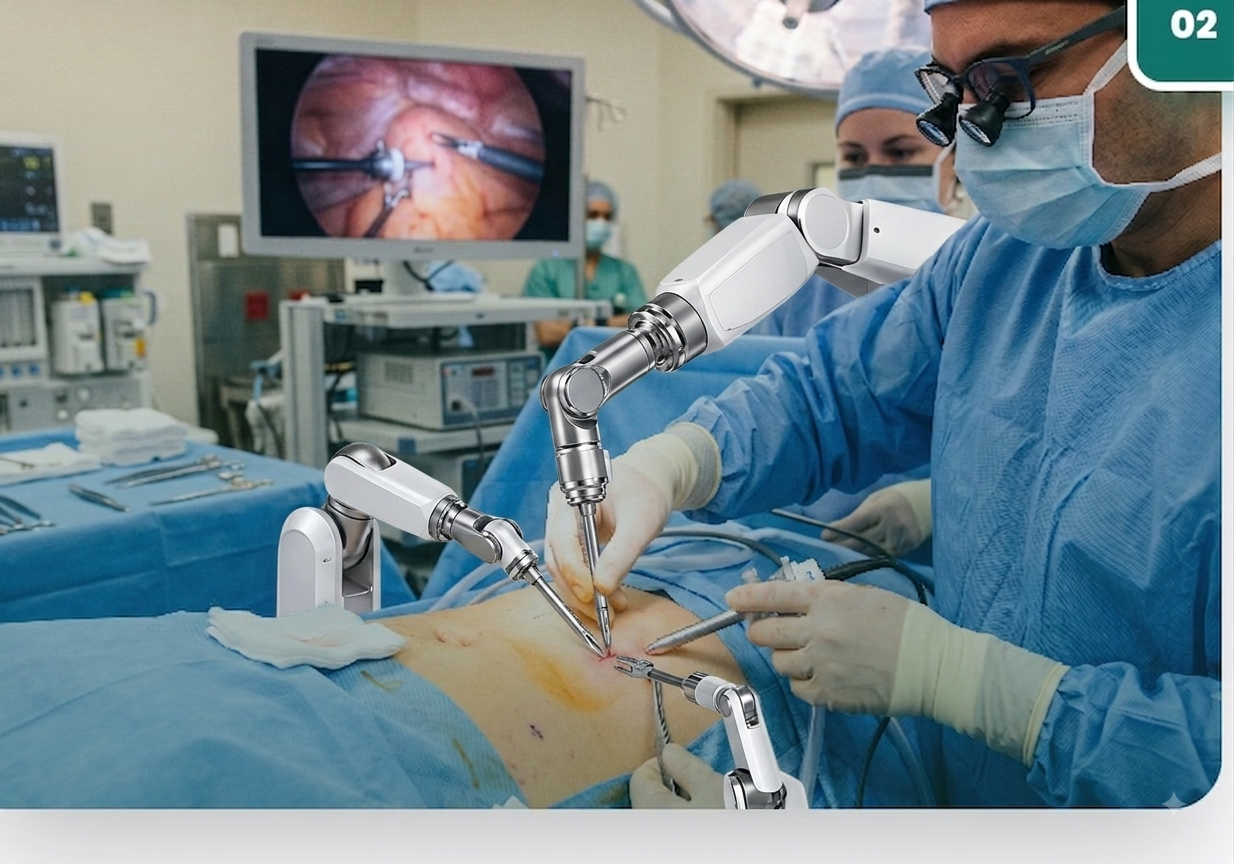
Small Entry Points
Instead of one large incision, the surgeon makes a small cut (usually about 8–10 mm) in the abdomen. These small incisions help reduce pain, scarring, and recovery time.
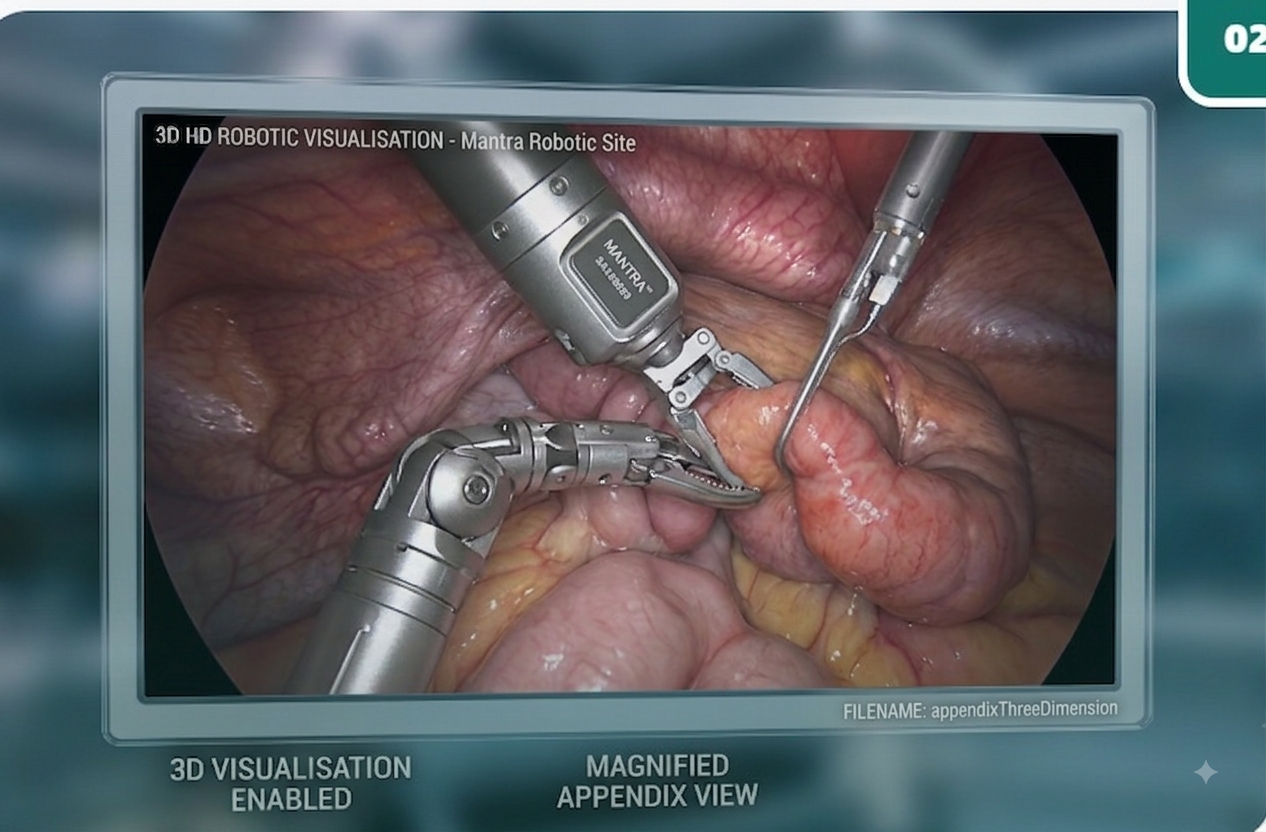
Advanced 3D Visualisation
A high-definition 3D camera is inserted through one of the small openings, providing the surgeon with a clear, magnified view of the internal organs and the inflamed appendix.
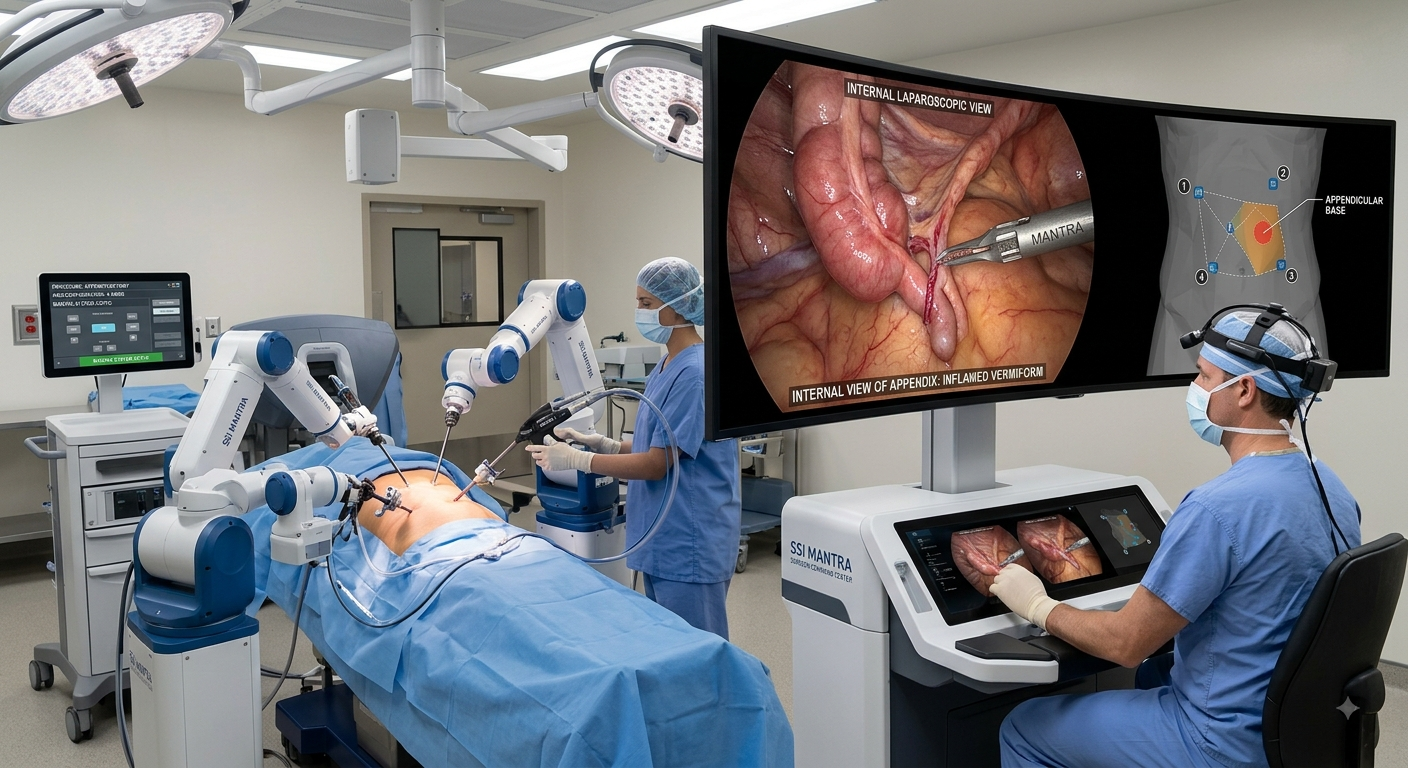
Precision-Guided Surgery
From a nearby robotic console, the surgeon carefully controls the robotic arms to detach and remove the infected appendix with enhanced precision and stability while protecting surrounding tissues.
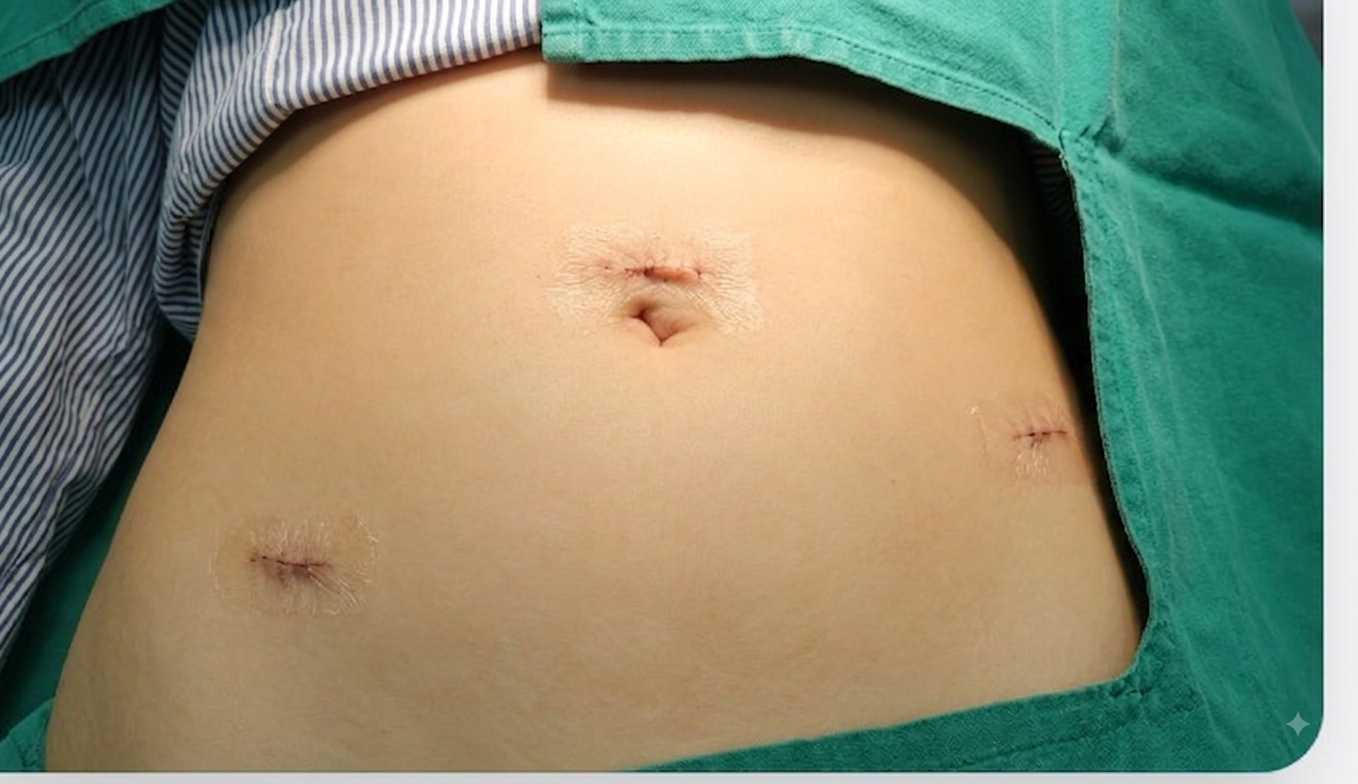
Safe Removal and Closure
Once removed, the appendix is extracted through small incisions. Subsequently, these small incisions are closed using a few stitches or surgical tape, promoting faster healing and minimal scarring.
If you are experiencing abdominal pain,
don't wait. Consult our experts today.
Consult our experts today for a precise diagnosis and a comfortable recovery.
Need Clarity
Frequently Asked Questions
Answers to the questions patients ask us most about robotic appendix surgery.
Is appendix surgery safe?
Yes. Appendix surgery is a routine and safe procedure when performed by an experienced surgeon.
Can appendicitis come back after surgery?
No. Once the appendix is removed, appendicitis cannot recur.
When can I eat after appendix surgery?
Most patients can start with liquids a few hours after surgery and gradually return to a normal diet as advised by their surgeon.
Which doctor should I consult for appendix surgery?
A general surgeon or GI surgeon experienced in laparoscopic and robotic surgery is the right specialist for appendix treatment.
Is robotic appendix surgery better than open surgery?
Robotic surgery offers smaller cuts, less pain, faster recovery, and lower infection risk for many patients compared to traditional open surgery.
Will I have stitches after appendix surgery?
Yes. Small incisions are closed with stitches or surgical glue, and the scars are usually minimal.
How many days do I need to stay in the hospital?
Most patients are discharged within 24 to 48 hours, depending on their recovery and whether the appendix had ruptured.
Can children undergo robotic appendix surgery?
Yes. Depending on the child's age and condition, robotic or laparoscopic surgery may be recommended by the surgeon.
What foods should I eat after appendix surgery?
Start with light, easy-to-digest foods and gradually return to your normal diet. Drink plenty of water and follow your surgeon's dietary advice.
How soon can I walk after appendix surgery?
Most patients are encouraged to start walking within a few hours after surgery to promote healing and reduce the risk of blood clots.