Advanced Surgical Procedures
Best Robotic Gallbladder Stone Surgery (Cholecystectomy) in Kaushambi, Ghaziabad
Anatomy Detail
Overview
Understanding Gallbladder & Gallstones
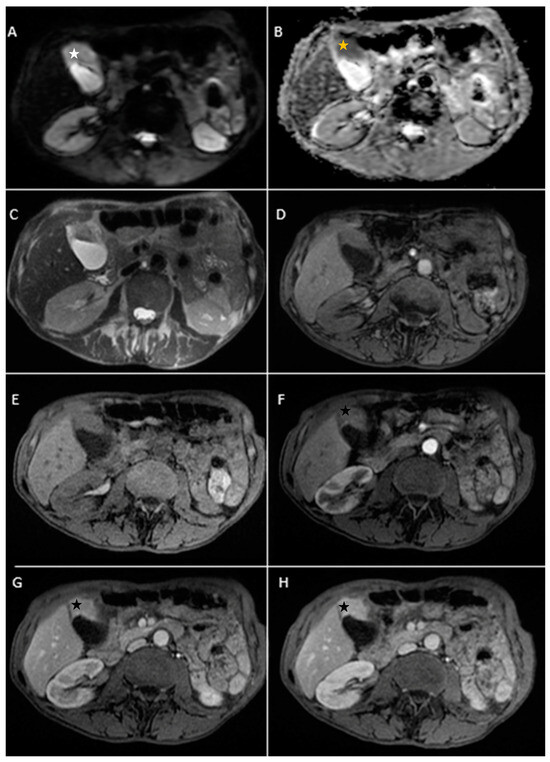
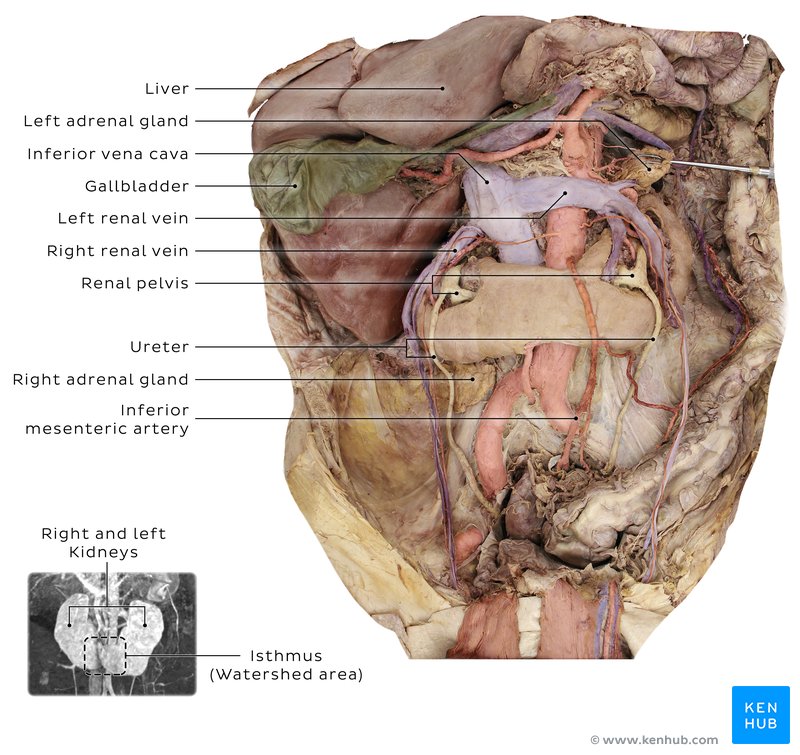
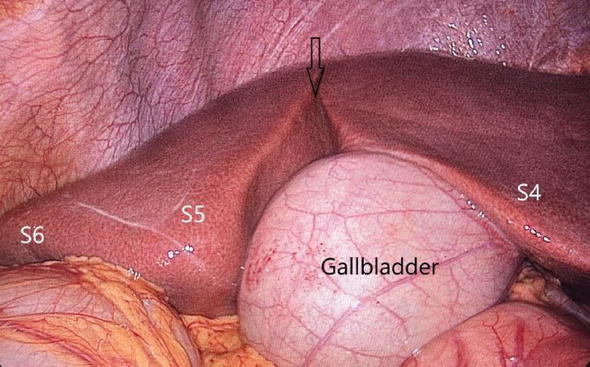
The gallbladder is a small organ that stores bile, a digestive fluid produced by the liver. Bile helps your body digest fat from the food you eat, and when you eat fatty foods, the gallbladder releases bile into the small intestine to aid digestion. Gallstones are small, hard pieces that form inside the gallbladder. They are made from substances in bile, such as cholesterol and other digestive materials.
Gallstones can be as small as a grain of sand or sometimes as large as a golf ball. Some people with gallstones don't experience any symptoms. These are called "silent gallstones" and usually don't require any treatment. Symptoms appear when the stone blocks a duct.
Warning Signs
Symptoms of Gallstones You Should Not Ignore
Many people mistake these signs for indigestion, but they could indicate a serious medical condition.
Sudden Pain
Intense pain starting in the upper right side of the abdomen.
Radiating Pain
Pain that radiates to the shoulder blade or back.
Nausea
Often accompanied by vomiting or indigestion.
Fever/Chills
Signs that infection may be developing.
Jaundice
Yellowing of the skin or whites of the eyes.
Risk Factors
Complications (if untreated)
Ignoring gallbladder stones can lead to life-threatening complications. Prompt diagnosis and treatment are essential for long-term health.
Cholecystitis
Inflammation of the gallbladder wall.
Choledocholithiasis
Stones blocking the common bile duct.
Pancreatitis
Inflammation of the pancreas from a blocked duct
Cholangitis
Infection of the bile duct system.
Technology
What is Robotic Gallbladder Stone Surgery?
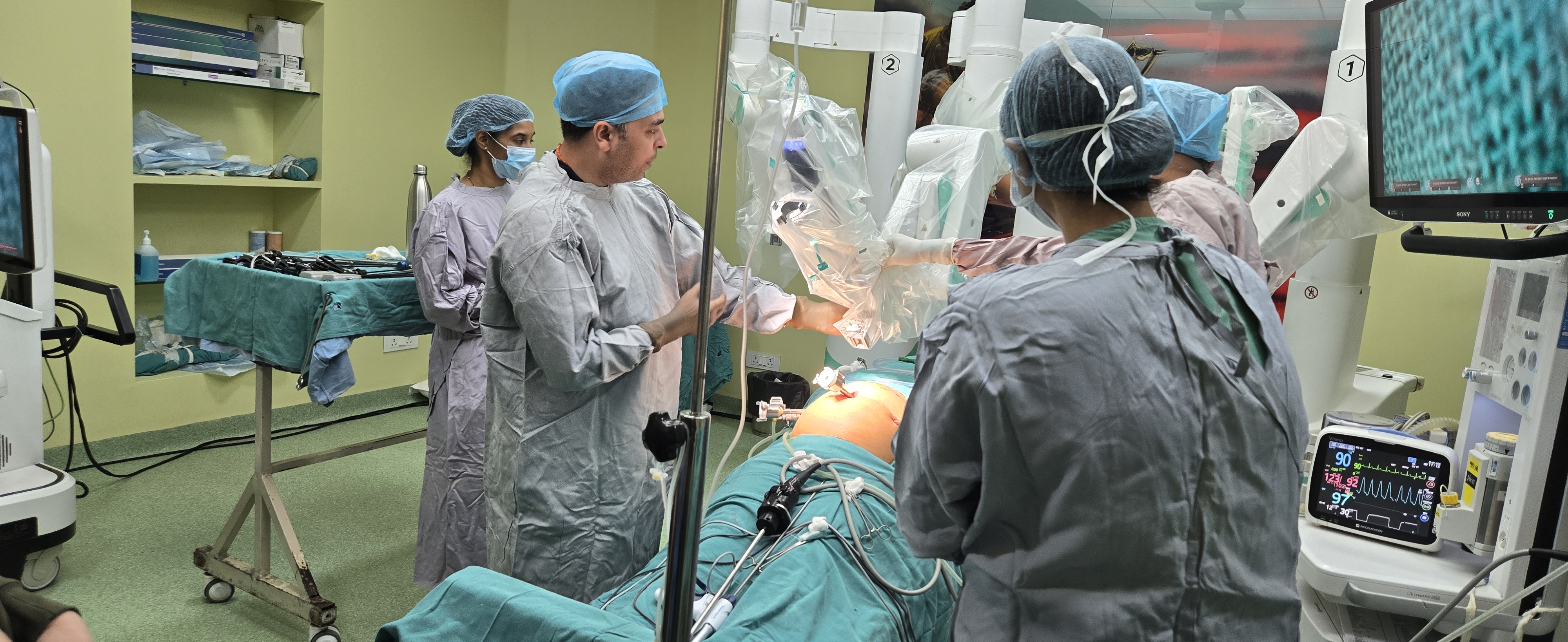
Robotic gallbladder stone surgery is a modern, minimally invasive procedure used to remove the gallbladder when gallstones cause pain or other complications. It is also known as robot-assisted cholecystectomy. In this procedure, the surgeon controls advanced robotic instruments from a console instead of operating directly by hand. The robotic system provides a high-definition 3D view and allows highly precise movements during surgery. The surgery is performed through small cuts in the abdomen, where robotic instruments and a tiny camera are inserted to safely remove the gallbladder along with the gallstones. This procedure is commonly recommended for patients with gallstone disease who experience pain, infection, inflammation, or other gallbladder-related symptoms.
Benefits of Robotic Gallbladder Surgery
- No complications
- Frequent and quick
- Faster recovery and less pain
- High precision and safety
AI
Assistance
10x
Your Precision
Process
How Robotic Gallbladder Stone Surgery (Cholecystectomy) is Performed
At Novo Robotic Surgery Centre, we follow a world-class surgical protocol to ensure the highest patient safety.
01
Anaesthesia
02
Small Incisions
03
3D Camera
04
Surgeon Control
05
Removal
06
Recovery
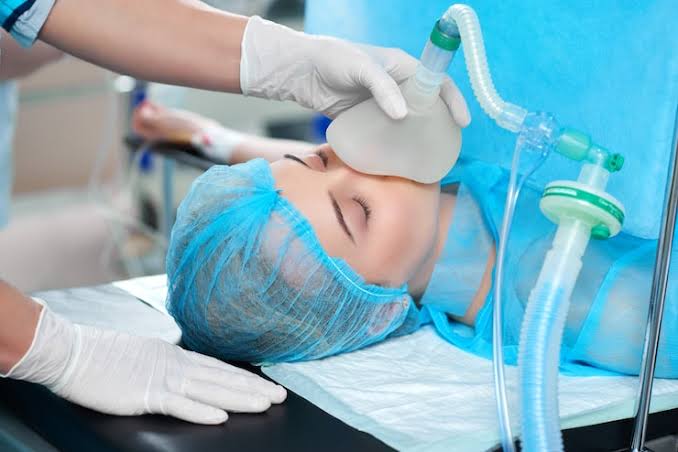
Anaesthesia
General anaesthesia is administered to ensure the patient is comfortable and pain-free throughout the procedure.
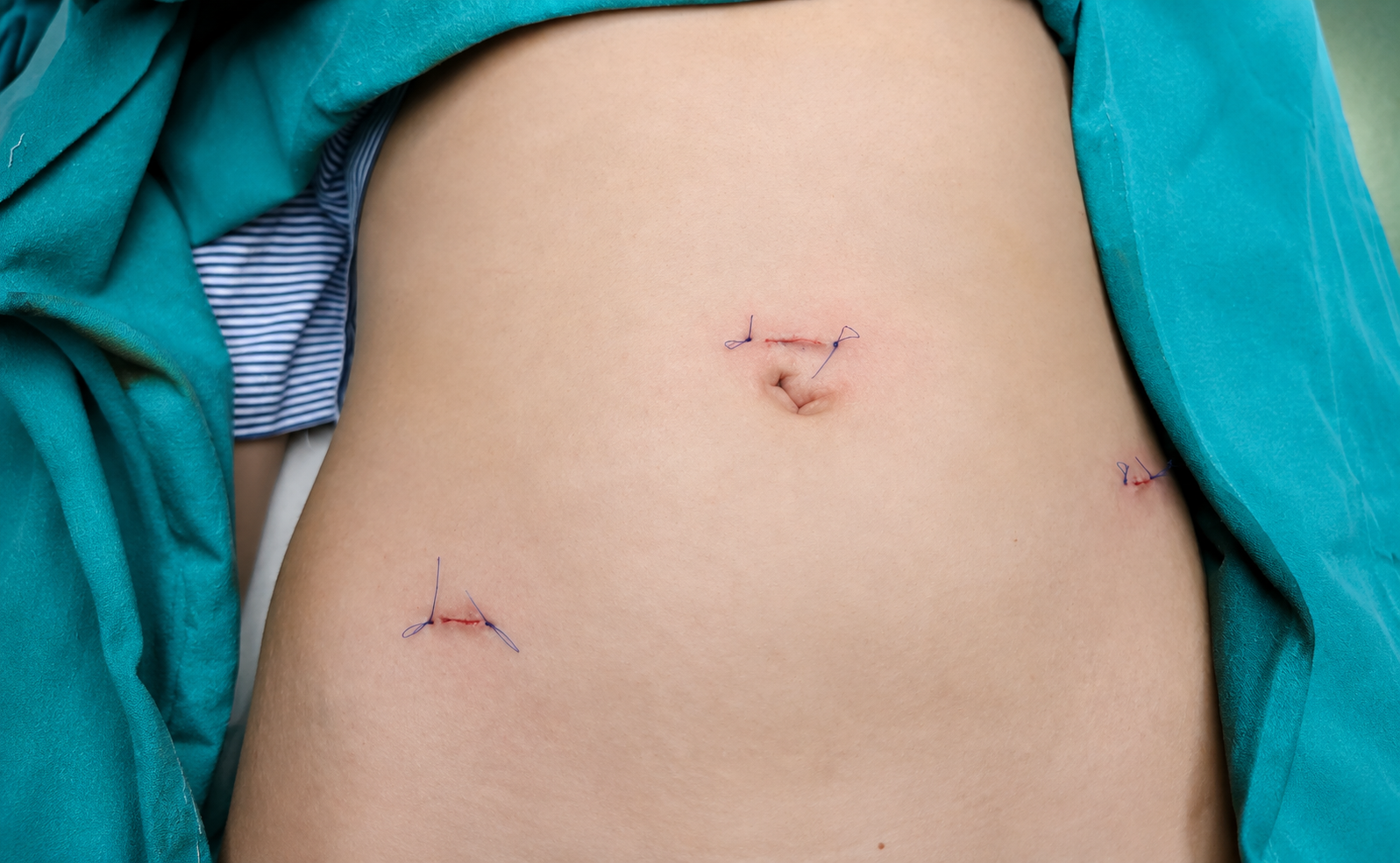
Small Incisions
The surgeon makes 3–4 tiny incisions (5–10 mm each) in the abdomen to insert the robotic instruments and 3D camera.
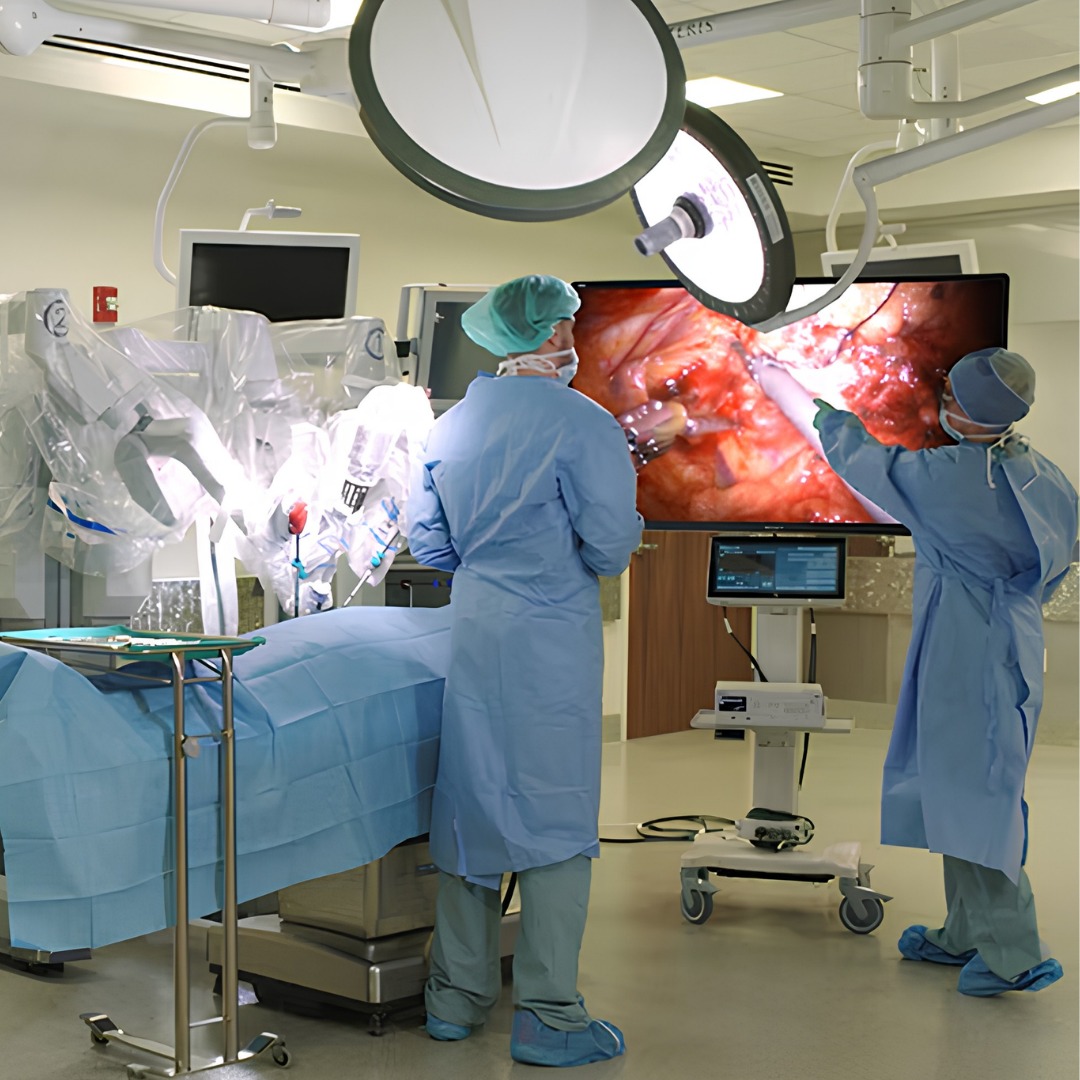
3D Camera
A high-definition 3D camera is introduced, providing a magnified, crystal-clear view of the gallbladder and surrounding structures.
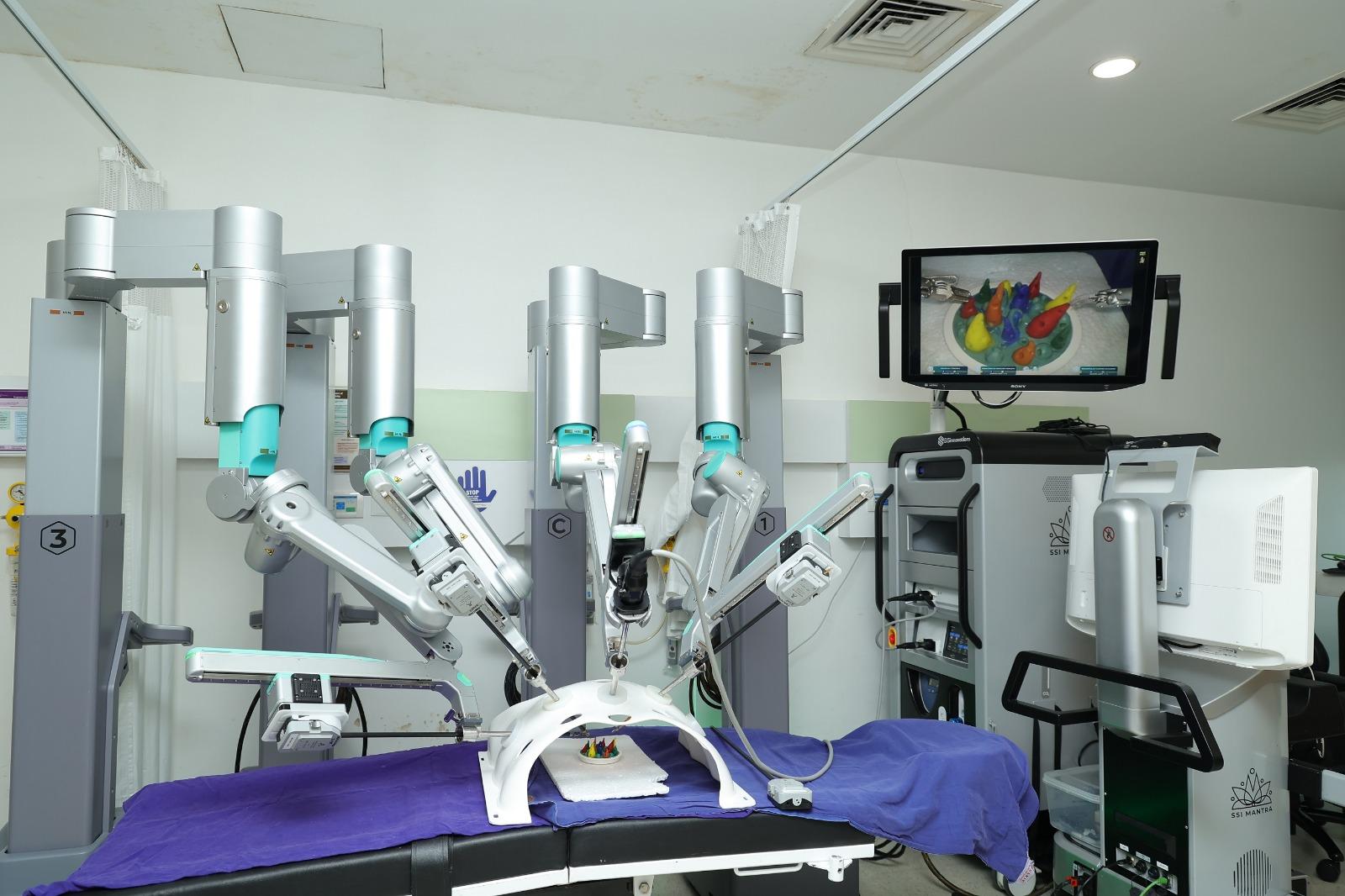
Surgeon Control
The surgeon operates from a robotic console, precisely controlling robotic arms to dissect and isolate the gallbladder with unmatched accuracy.
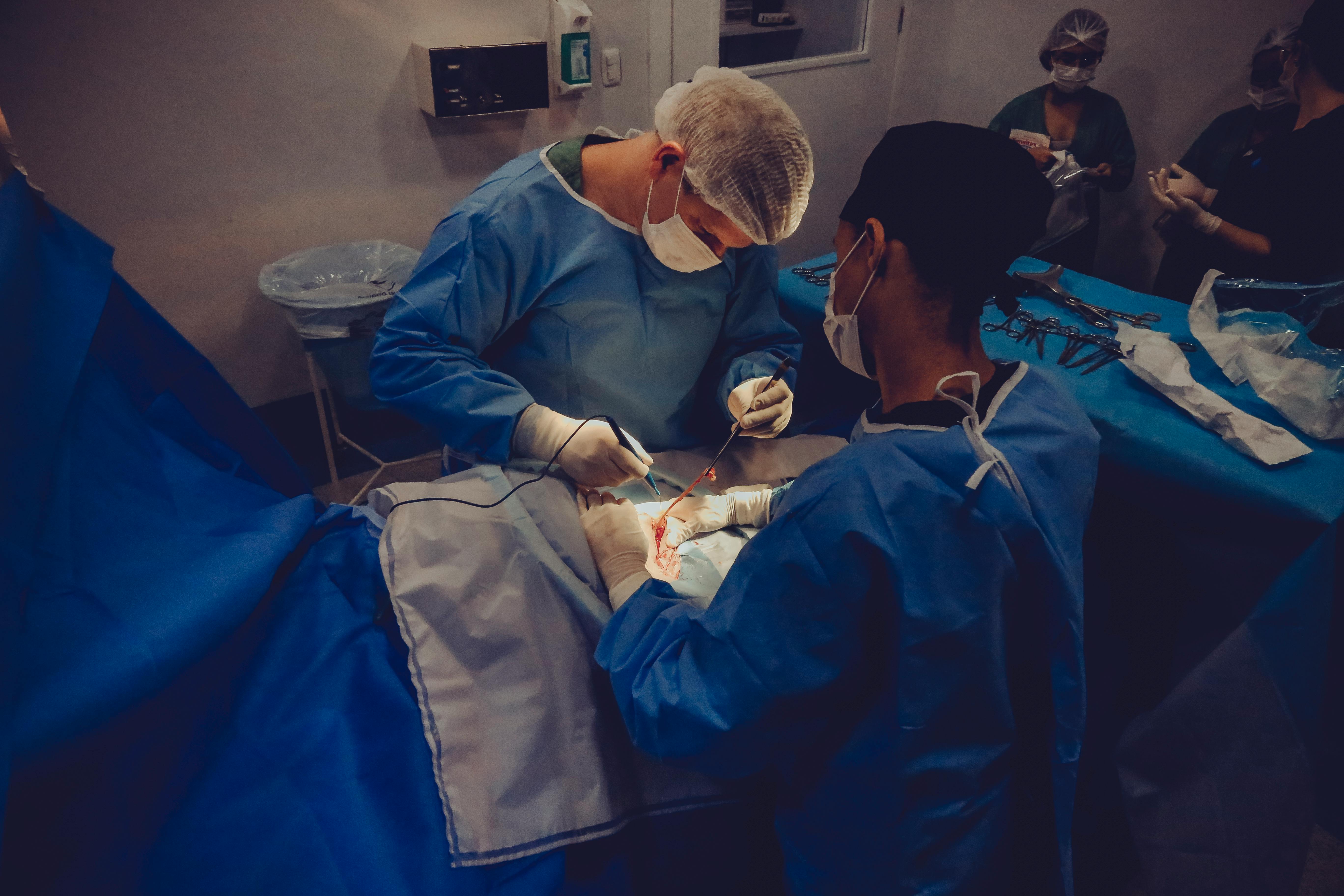
Removal
The gallbladder is carefully separated, placed in a retrieval bag, and extracted through one of the incisions.
Recovery
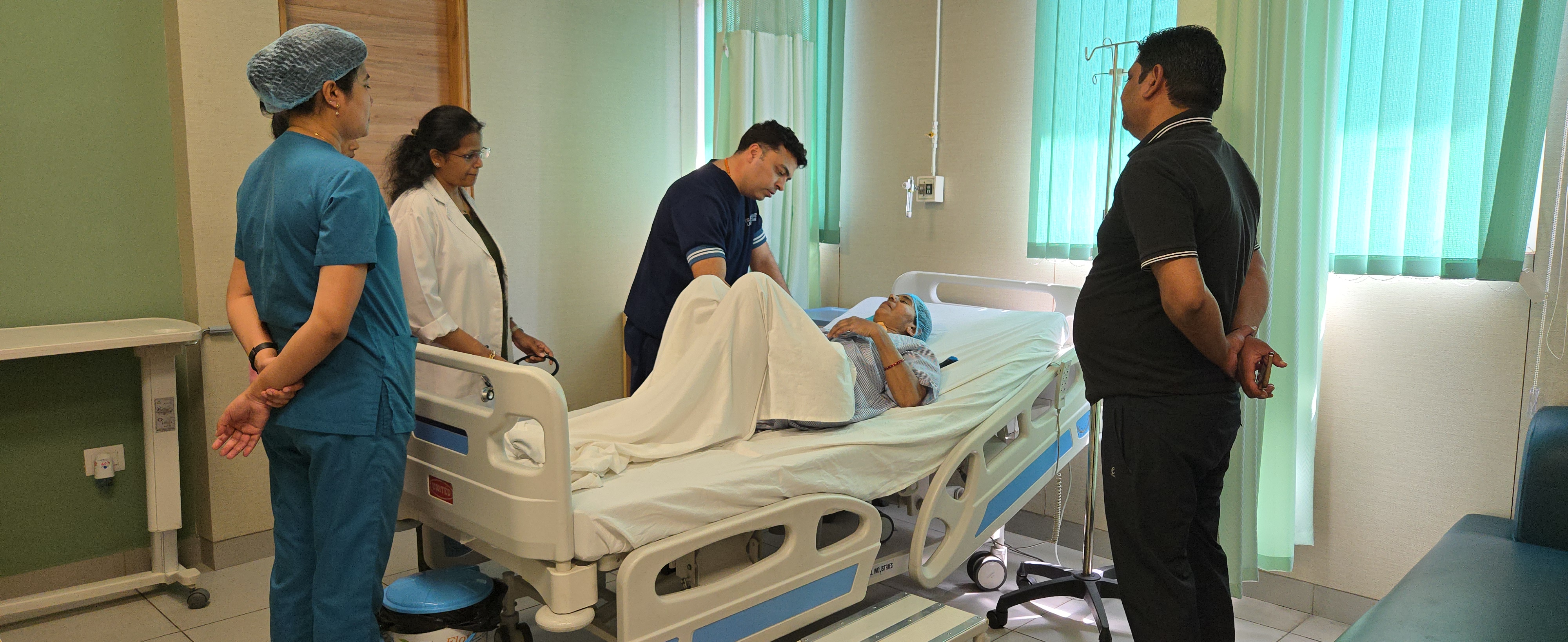
Incisions are closed with sutures or surgical tape. Most patients return home within 24 hours and resume normal activities within days.
Successful Procedures
Our Edge
Why Choose Novo Robotic for Robotic Gallbladder Stone Surgery (Cholecystectomy)?
Modern Robotic Precision
Novo Robotic Surgery Centre utilizes modern robotic technology with enhanced 3D visualization and superior surgical control to ensure maximum accuracy during gallbladder surgery
Minimally Invasive Benefits
At Novo Robotic, our minimally invasive gallbladder stone treatment reduces pain, minimises scarring, lowers complication risks, and supports a much faster recovery.
Patient-Focused Comfort & Safety
Novo Robotic Surgery Centre prioritizes personalized care, safety, and comfort at every stage, helping patients seamlessly return to their daily routine.
Don’t Ignore the Signs
If you are experiencing gallbladder stone symptoms such as abdominal pain, nausea, bloating, or discomfort after meals, don’t ignore the signs. Consult our experts today for accurate diagnosis and advanced Robotic Gallbladder Stone Surgery (Cholecystectomy) for a safer procedure, less pain, and faster recovery.
Early diagnosis and treatment can significantly reduce complications. Get evaluated at the most advanced robotic surgery centre in the region.
Have Questions?
Frequently Asked Questions
Everything you need to know about gallstones and robotic gallbladder surgery at Novo Robotic Surgery Centre.
01What is the best treatment for gallbladder stones?
What is the best treatment for gallbladder stones?
Laparoscopic or robotic gallbladder removal (cholecystectomy) is considered the most effective and permanent treatment for symptomatic gallstones.
02How can I reduce the risk of gallstones?
How can I reduce the risk of gallstones?
Maintaining a healthy weight, eating a balanced diet, exercising regularly, and avoiding rapid weight loss may help reduce the risk.
03Can gallstones increase in size over time?
Can gallstones increase in size over time?
Yes. Some gallstones can become larger or increase in number if left untreated.
04Can I travel after gallbladder surgery?
Can I travel after gallbladder surgery?
Most patients can travel within a few days after recovery, but long-distance travel should be discussed with your surgeon.
05Can gallstones increase the risk of pancreatitis?
Can gallstones increase the risk of pancreatitis?
Yes. A gallstone blocking the pancreatic duct can trigger acute pancreatitis, which requires urgent medical treatment.
06Can children develop gallstones?
Can children develop gallstones?
Yes. Although less common, gallstones can occur in children due to certain medical conditions, obesity, or genetic factors.
07Which foods should I avoid after surgery?
Which foods should I avoid after surgery?
Limit fried foods, oily meals, spicy foods, processed snacks, and high-fat dairy products during the early recovery period.
08What foods should I eat after gallbladder surgery?
What foods should I eat after gallbladder surgery?
Initially, eat light, low-fat meals. Gradually return to a balanced diet as advised by your surgeon.
09Will my digestion be normal after gallbladder removal?
Will my digestion be normal after gallbladder removal?
Yes. Most people digest food normally after surgery. Some patients may experience temporary digestive changes that usually improve within a few weeks.