Surgeon-Controlled Console
During this procedure, our experienced robotic gynecologic oncologists control robotic-assisted instruments through a high-tech console, enabling highly precise movements through very small incisions.
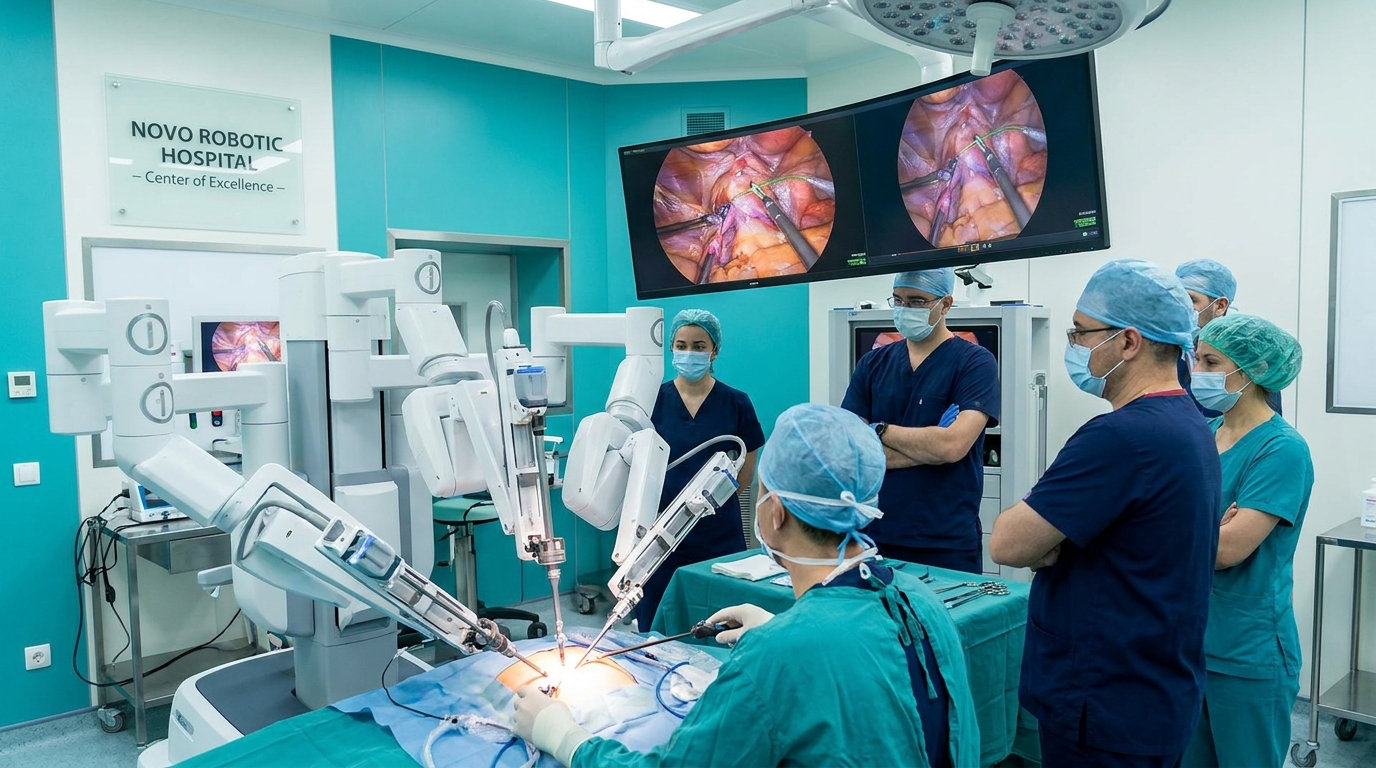
At Novo Robotic Surgery Centre, we treat cancers of the female reproductive system with advanced minimally invasive robotic technology — for greater precision, smaller incisions and faster recovery.
Gynecologic cancer is a term used for cancers that develop in a woman's reproductive organs. It is not a single disease, but a group of cancers that can affect different parts of the female reproductive system.
Gynecologic cancers
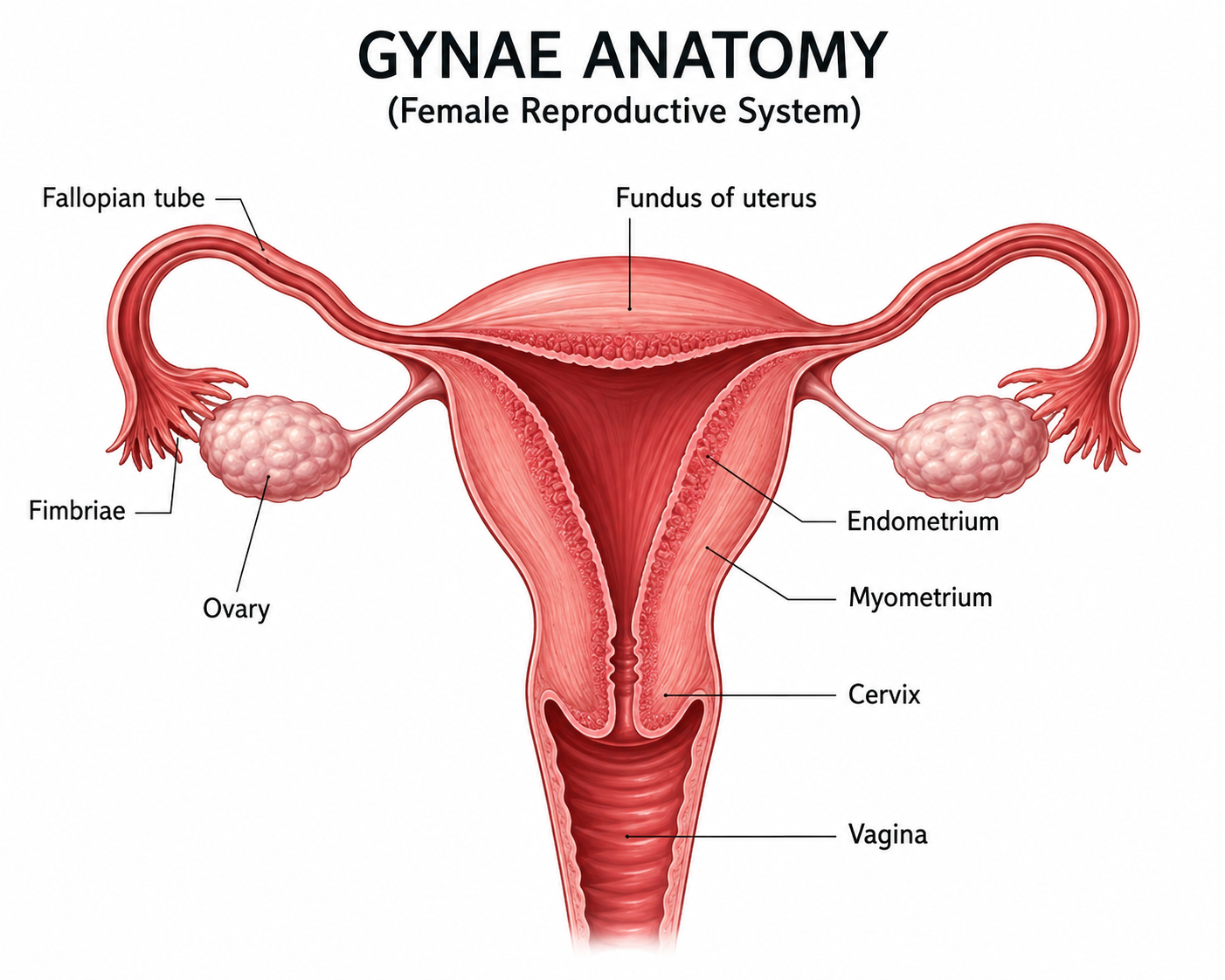
Precision mapping
3D Visuals
Robotic gynecologic cancer surgery is an advanced minimally invasive surgical technique used to treat cancers of the female reproductive system, including uterine cancer, cervical cancer, ovarian cancer, endometrial cancer, and other complex gynecologic cancers.
During this procedure, our experienced robotic gynecologic oncologists control robotic-assisted instruments through a high-tech console, enabling highly precise movements through very small incisions.
The advanced robotic surgical system provides a magnified high-definition 3D view of the surgical area, allowing surgeons to perform complex cancer procedures with greater accuracy while protecting nearby healthy tissues, nerves, and organs.
Compared to traditional open surgery, robotic gynecologic cancer surgery at Novo Robotic Surgery Centre offers benefits such as smaller incisions, reduced pain, minimal blood loss, shorter hospital stays, faster recovery, and improved surgical precision for women undergoing gynecologic cancer treatment.
Our specialized robotic gynecologic cancer procedures include:
A robot-assisted hysterectomy removes the uterus through tiny cuts instead of one large incision. It is commonly used to treat conditions like fibroids, endometriosis, heavy bleeding, and pelvic pain. The robotic system gives surgeons a clear 3D view and better precision, leading to less pain, smaller scars, and faster recovery.
Robot-assisted myomectomy removes uterine fibroids while preserving the uterus, making it a good option for women planning future pregnancy. The robotic system helps surgeons remove fibroids precisely and repair the uterus carefully for better healing.
This advanced robotic procedure is used to treat cancers of the uterus, cervix, and endometrium. The surgery removes cancer-affected tissues with high precision while protecting nearby nerves and organs. Benefits include less blood loss, smaller cuts, and quicker recovery.
This procedure helps create a vaginal canal in women born without a fully developed vagina, such as in MRKH syndrome. Robotic technology allows surgeons to work safely and accurately in deep pelvic areas with minimal scarring.
Robot-assisted ovarian cystectomy removes ovarian cysts while preserving healthy ovarian tissue. This helps maintain hormone balance and fertility while ensuring precise and safe cyst removal.
This robotic procedure treats vaginal vault prolapse, where pelvic organs drop after hysterectomy. Using advanced robotic techniques, surgeons restore support to the pelvic organs, improving comfort, bladder control, and quality of life.
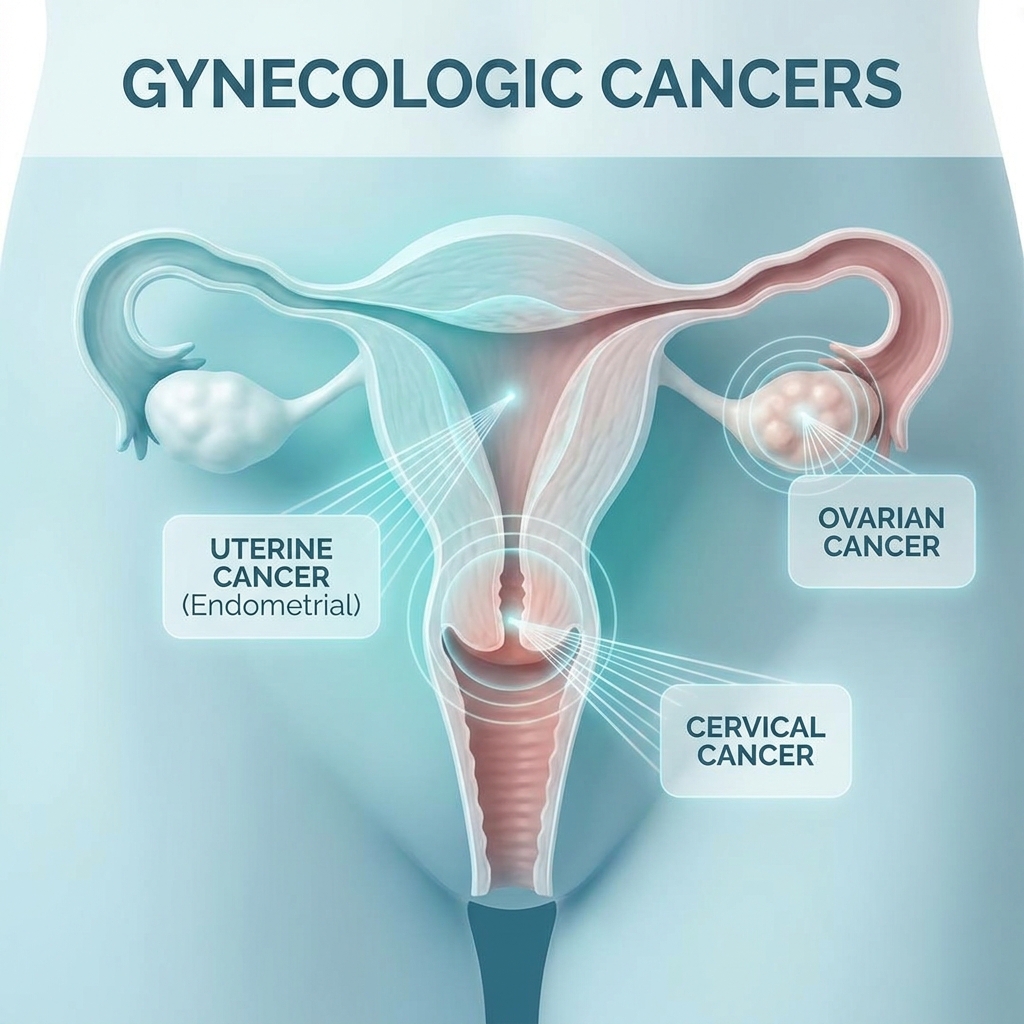
The most common gynecologic cancer in women, uterine cancer can often be treated effectively with robotic surgery. At Novo Robotic Surgery Centre, robotic-assisted procedures allow our surgeons to precisely remove the uterus and surrounding tissues through small incisions, resulting in minimal blood loss, less pain, and faster recovery.
Ovarian cancer is frequently diagnosed at an advanced stage and requires highly specialized surgical expertise. Our advanced robotic platform provides enhanced 3D visualization and precise instrument control, helping surgeons remove tumors effectively while protecting nearby healthy tissues and organs.
Robotic surgery is highly effective for selected early-stage cervical cancers. Our team performs robotic radical hysterectomy and lymph node dissection with exceptional precision, reducing surgical trauma, postoperative pain, and hospital stay.
Vulvar cancer affects a delicate and sensitive area that requires careful surgical precision. Robotic-assisted techniques at Novo help achieve thorough cancer removal while minimizing tissue damage, scarring, and postoperative discomfort.
Vaginal cancer is rare but requires personalized treatment planning. At Novo Robotic Surgery Centre, we use advanced robotic surgical techniques tailored to each patient’s anatomy, cancer stage, and treatment needs for optimal outcomes.
Although uncommon, fallopian tube cancer requires expert gynecologic oncology care. Our robotic-assisted surgical approach allows precise cancer removal while minimizing impact on surrounding tissues and supporting faster recovery.
A robot-assisted hysterectomy removes the uterus through tiny cuts instead of one large incision. It is commonly used to treat conditions like fibroids, endometriosis, heavy bleeding, and pelvic pain. The robotic system gives surgeons a clear 3D view and better precision, leading to less pain, smaller scars, and faster recovery.
Robot-assisted myomectomy removes uterine fibroids while preserving the uterus, making it a good option for women planning future pregnancy. The robotic system helps surgeons remove fibroids precisely and repair the uterus carefully for better healing.
This advanced robotic procedure is used to treat cancers of the uterus, cervix, and endometrium. The surgery removes cancer-affected tissues with high precision while protecting nearby nerves and organs. Benefits include less blood loss, smaller cuts, and quicker recovery.
This procedure helps create a vaginal canal in women born without a fully developed vagina, such as in MRKH syndrome. Robotic technology allows surgeons to work safely and accurately in deep pelvic areas with minimal scarring.
Robot-assisted ovarian cystectomy removes ovarian cysts while preserving healthy ovarian tissue. This helps maintain hormone balance and fertility while ensuring precise and safe cyst removal.
This robotic procedure treats vaginal vault prolapse, where pelvic organs drop after hysterectomy. Using advanced robotic techniques, surgeons restore support to the pelvic organs, improving comfort, bladder control, and quality of life.
Before surgery, our specialist carefully reviews your MRI or CT scans, blood tests and medical history. This detailed planning helps the surgeon prepare for a safe and precise robotic procedure.
The patient is given general anaesthesia so they remain fully asleep and pain-free during the surgery. The body is carefully positioned to give the surgeon a clear view of the pelvic area.
Instead of one large cut, the surgeon makes 4–5 small keyhole incisions in the abdomen for robotic instruments and a camera.
The robotic arms are connected through tiny incisions, along with a high-definition 3D camera and specialized instruments. The surgeon controls every movement from a nearby console. The robotic system never works independently.
Using a magnified 3D view, the surgeon carefully removes the cancerous tissue and nearby affected lymph nodes while protecting healthy organs and nerves.
After the procedure, the instruments are removed and the tiny cuts are closed with stitches or surgical glue, resulting in less pain, smaller scars and faster recovery.
Abnormal vaginal bleeding
Pelvic pain or pressure
Abdominal bloating
Pain during intercourse
Unexplained weight loss
Changes in urinary or bowel habits
Persistent fatigue
Recovery after robotic gynecologic cancer surgery is generally faster and more comfortable compared to traditional open surgery. With tiny keyhole incisions and advanced robotic precision, patients often experience less pain, minimal blood loss, smaller scars and a shorter hospital stay.
Most patients begin walking within a day after surgery and can gradually return to normal activities within a few weeks. At Novo Robotic Surgery Centre, personalized postoperative care and recovery support help ensure safe healing and improved comfort after treatment.

We redefine gynecologic cancer care by combining world-class surgical expertise with advanced robotic technology — clinical excellence meeting a smoother, safer path to recovery.
Led by renowned specialists such as Dr Vikrant Sharma, our centre is a trusted leader in Kaushambi, Ghaziabad, for treating complex endometrial, cervical and ovarian cancers.
Our surgeons operate with unmatched 3D high-definition visualization and wristed instruments that mimic the human hand with far greater precision.
By preserving surrounding healthy tissue, we ensure a faster recovery and shorter hospital stays, allowing most women to return home within 24 hours.
Need Clarity
Answers to the questions patients ask us most about robotic gynecologic cancer surgery.
Yes. Robotic surgery is considered safe and effective for selected patients when performed by an experienced robotic gynecologic cancer surgeon after careful evaluation.
Yes. Some treatments may affect fertility. Women who wish to have children in the future should discuss fertility-preserving treatment options with their surgeon before starting treatment.
Survival depends on the type of cancer, its stage, and how early it is diagnosed. Early detection and timely treatment offer the best chance of successful outcomes and long-term survival.
Yes. Robotic surgery is a safe and effective option for many women when performed by an experienced surgeon.
Treatment depends on the type and stage of cancer. Common options include robotic surgery, laparoscopic surgery, chemotherapy, radiation therapy, targeted therapy, immunotherapy, and hormone therapy. Your specialist will recommend the most appropriate treatment plan based on your condition.