Robotic Surgery For
Robotic Hernia
Surgery
Best Robotic Hernia Surgery in Kaushambi, Ghaziabad
Precision-guided, faster recovery and better outcomes than traditional surgery. Experience the next evolution in surgical excellence.
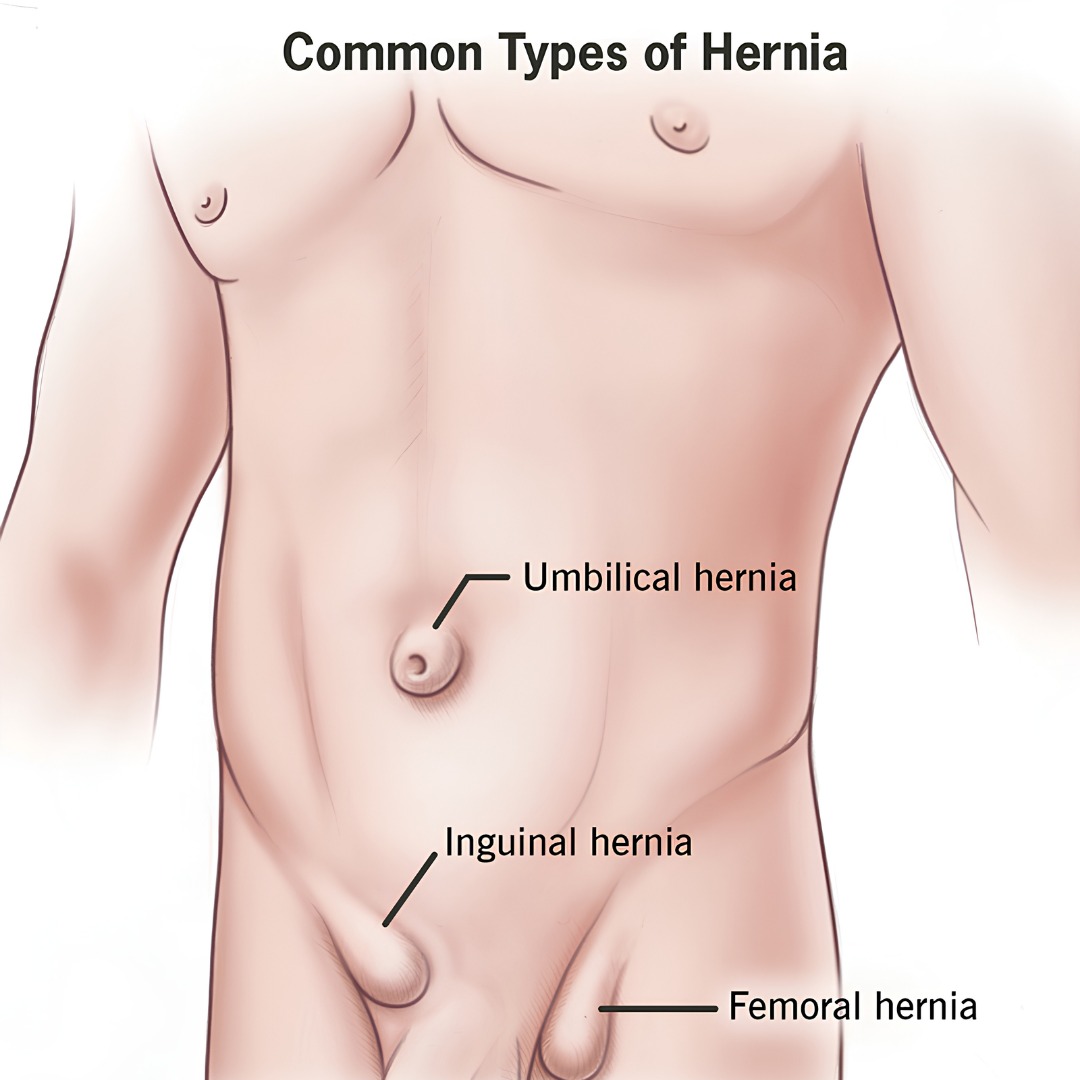
Overview
Understanding Hernia
A hernia (herniorrhaphy/hernioplasty) is a condition in which a part of the intestine or fatty tissue pushes through a weak area in the muscles, usually in the abdomen or groin. It often appears as a swelling or bulge that may become more visible while coughing, bending, lifting heavy objects, or standing for a long time. Some people may also experience pain, discomfort, heaviness, or a burning sensation in the affected area.
A hernia typically does not heal on its own and may gradually become larger over time. Early diagnosis and proper treatment can help prevent complications and improve the recovery process.
Common Symptoms
Don't hesitate, early intervention is key
- Visible bulge or swelling
- Pain or discomfort when bending
- Pressure or heaviness in abdomen
- Burning sensation at bulge site
Expert Diagnosis
Our doctors use high-resolution imaging to detect and localise the hernia accurately.
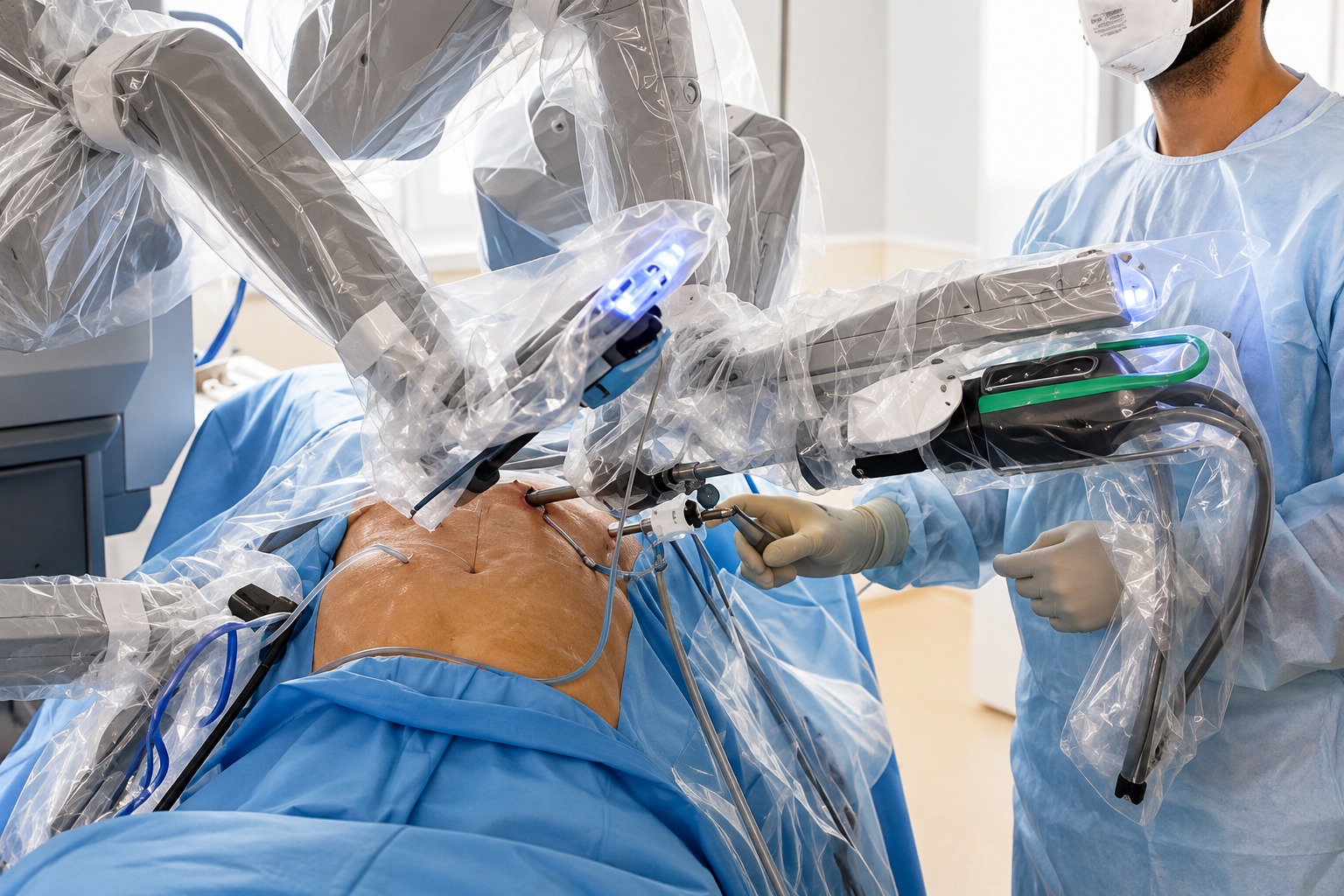
Technology
What is Robotic Hernia
Surgery?
Robotic hernia surgery, also known as robot-assisted hernia repair, is an advanced and minimally invasive method used to treat hernias through small incisions. The robotic system provides surgeons with a highly magnified, 3D view of the surgical area, with over 30x magnification through the robotic system to process effectively.
During the surgery, the surgeon controls using precise robotic instruments that move with extraordinary high definition, with over 30 degrees of free purpose. The advanced technology allows for greater precision, flexibility, and control to prevent proper separation in places to tissues effectively.
Side by Side
Comparison: Traditional vs. Robotic
See how our robotic approach dramatically improves the surgical experience.
Traditional Surgery
- Large abdominal incisions (3–4 inches)
- Greater post-operative pain and trauma
- Higher risk of bleeding and surgical-site infection
- Longer hospital stay (3–5 days)
- Slower return to daily activities (4–6 weeks)
Robotic Surgery
- Tiny micro-incisions (under 1cm)
- Significantly less post-operative pain
- Reduced risk of bleeding and infection
- Shorter hospital stay (often same-day discharge)
- Normal return to daily activities in 1–2 weeks
How Robotic Hernia Surgery Is Performed at Novo
Robotic Surgery Centre
Our streamlined, patient-focused process ensures the optimal surgical results.
01
Small Incisions
Tiny cuts, usually less than 1cm.
02
3D High-Definition Vision
Magnified 10x view for clarity and precision.
03
Robotic Precision Control
Robotic arms eliminate tremor for precise movement.
04
Hernia Repair with Mesh
Reinforcing mesh ensures long-term to prevent recurrence.
05
Next Closure & Recovery
Careful suturing to minimise healing time.
Specialisations
Common Types of Hernias Treated Robotically at
Novo Robotic
Our robotic hernia programme covers a comprehensive range of all types.
Robotic Inguinal Hernia
An inguinal hernia happens when a part of the intestine or fatty tissue pushes through a weak area in the lower abdominal muscles near the groin (where the abdomen meets the thigh). This can cause a bulge, pain, or discomfort, especially while coughing, lifting heavy objects, or standing for a long time.
Robotic Ventral Hernia
A ventral hernia happens when tissue or part of the intestine pushes through a weak area in the abdominal muscles. It usually appears as a bulge or swelling on the front of the abdomen (stomach area) and may cause discomfort during daily activities.
Robotic Incisional Hernia
An incisional hernia develops near a previous surgery scar when the muscles do not heal completely after an operation. This can cause swelling or lump around the operated area. Robotic repair is highly effective for this type of hernia.
Robotic Hiatus Hernia
A hiatus hernia happens when a part of the stomach moves upward into the chest through the diaphragm. It commonly causes acidity, heartburn, bloating, or a burning sensation after meals.
Our Promise
Why Choose Novo
Robotic for hernia surgery?
Choosing Novo Robotic means getting advanced hernia surgery treatment with a strong focus on precision, safety, and patient recovery.
The centre offers robot-assisted techniques using modern surgical technology and high-definition 3D visualisation, helping surgeons perform the procedure with unmatched accuracy and control. All Novo Robotic patient receives individualised attention and comprehensive management throughout the treatment journey — from diagnosis to post-surgical care. With experienced robotic surgeons who handle a variety of abdominal hernias, we are trusted leaders for robotic hernia surgery.
Modern Tech
State-of-the-art robotic-assisted technology using the latest surgical systems.
Expert Care
Dedicated hernia specialists with extensive robotic surgery training.
Trust
Thousands of successful hernia repairs with industry-leading safety records.
Ready for a Better Recovery?
If you are experiencing hernia pain, swelling, or discomfort, don't ignore the symptoms. Consult our specialists for accurate diagnosis and advanced robotic hernia treatment.
Need Clarity
Frequently Asked Questions
Answers to the questions patients ask us most about robotic hernia surgery.
Does every hernia require surgery?
Most hernias do not heal on their own. Surgery is usually recommended to prevent complications such as strangulation or bowel obstruction.
How long does hernia surgery take?
The procedure usually takes 30 minutes to 2 hours, depending on the type and complexity of the hernia.
Is hernia surgery painful?
Modern robotic and laparoscopic techniques significantly reduce pain. Mild discomfort is common for a few days and is managed with medication.
Can a hernia come back after surgery?
Although recurrence is uncommon, it can happen. Choosing an experienced surgeon, following post-operative instructions, and maintaining a healthy weight can reduce the risk.
What happens if a hernia is left untreated?
An untreated hernia may enlarge over time and can lead to serious complications, including incarceration or strangulation, which may require emergency surgery.
How much does hernia surgery cost?
The cost depends on the type of hernia, surgical technique, hospital stay, insurance coverage, and individual medical needs. A consultation provides an accurate estimate.
Which doctor should I consult for hernia treatment?
A general surgeon or gastrointestinal (GI) surgeon experienced in minimally invasive and robotic hernia surgery is the right specialist.
Can I walk after hernia surgery?
Yes. Walking is encouraged soon after surgery to improve circulation and support recovery.