Robotic Total Gastrectomy
Complete robotic removal of the stomach for advanced stomach cancer, followed by reconstruction of the digestive system using advanced robotic surgery technology for better precision and recovery.
Robotic Oncology
Advanced Robotic Stomach Cancer Surgery (Robotic Gastrectomy) in Kaushambi, Ghaziabad
Minimally invasive stomach cancer surgery with superior accuracy and faster recovery. Our cutting-edge robotic technology provides surgeons with 10× magnification and tremor-free dexterity.

Oncology
Stomach cancer, also known as gastric cancer, occurs when the cells lining the inside of the stomach begin to grow and multiply uncontrollably. Over time, these abnormal cells can form a tumour that may damage the stomach wall and, if left untreated, spread to nearby organs or other parts of the body.
Our robotic platform allows for extensive lymph node dissection — a critical factor in cancer staging and long-term survival — that was previously challenging with traditional laparoscopic methods.
⚠ Early Warning Signs
Feeling full after eating only a small amount (early satiety)
Persistent indigestion or heartburn that does not improve with medication
A dull, ongoing pain or discomfort in the upper abdomen
Unexplained weight loss and loss of appetite
Nausea or occasional vomiting, sometimes with blood
Dark or black, tarry stools, which may indicate internal bleeding
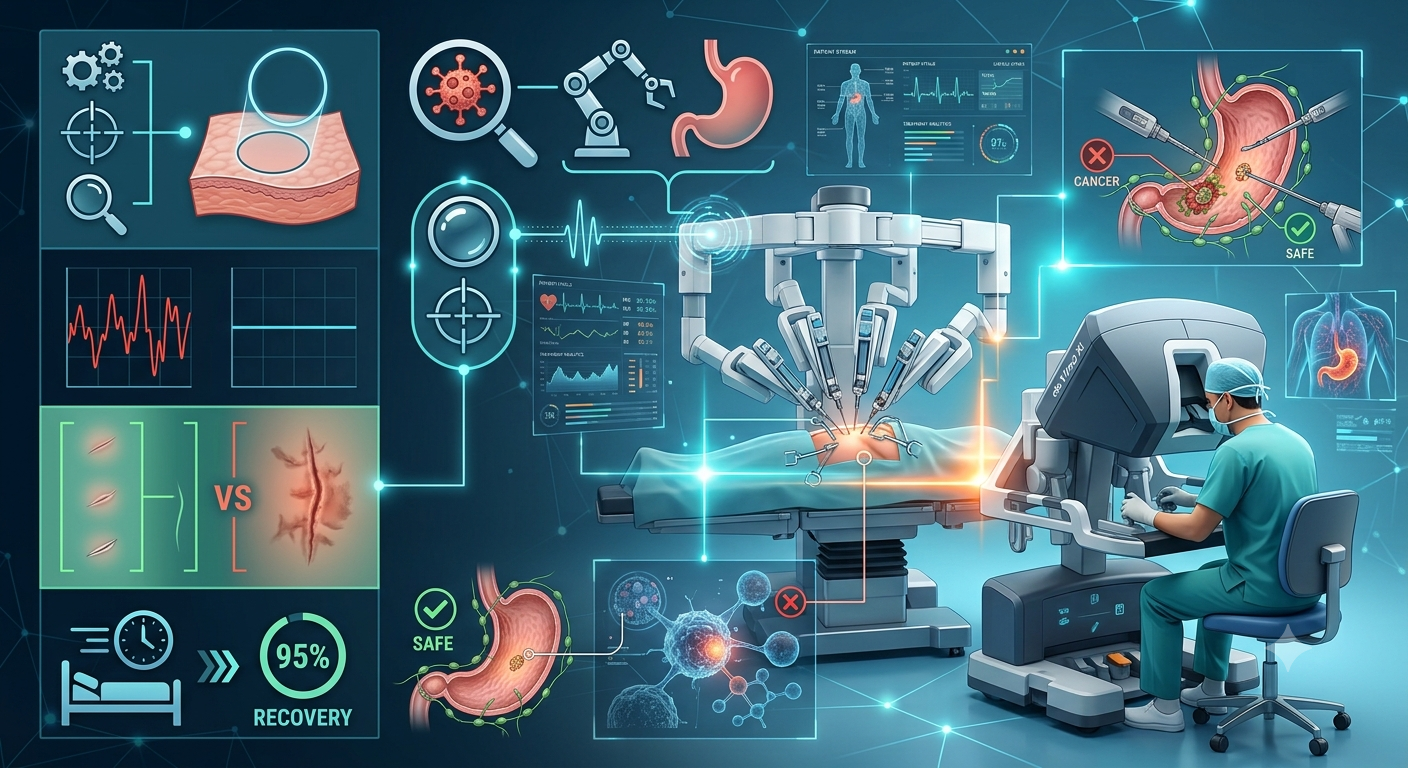
Robotic stomach cancer surgery, also called robotic gastrectomy, is an advanced minimally invasive treatment for stomach (gastric) cancer. Instead of one large cut, the surgeon makes a few tiny keyhole incisions to remove part or all of the cancer-affected stomach using a robotic surgical system.
The robotic system is completely controlled by the surgeon, providing enhanced 3D vision and highly precise movements. Compared to traditional open surgery, it offers less pain, minimal blood loss, smaller scars, faster recovery, and a shorter hospital stay.
3D
Enhanced Vision
100%
Surgeon Controlled
Keyhole
Tiny Incisions
Specialisations
Complete robotic removal of the stomach for advanced stomach cancer, followed by reconstruction of the digestive system using advanced robotic surgery technology for better precision and recovery.
Removal of the cancer-affected part of the stomach while preserving the healthy portion whenever possible. This robotic stomach cancer surgery helps maintain better digestion and faster recovery.
A minimally invasive robotic procedure used to remove small or early-stage stomach tumours with precision while preserving most of the stomach tissue.
Careful robotic removal of nearby lymph nodes to check and prevent the spread of stomach cancer, helping improve accurate cancer staging and treatment outcomes.

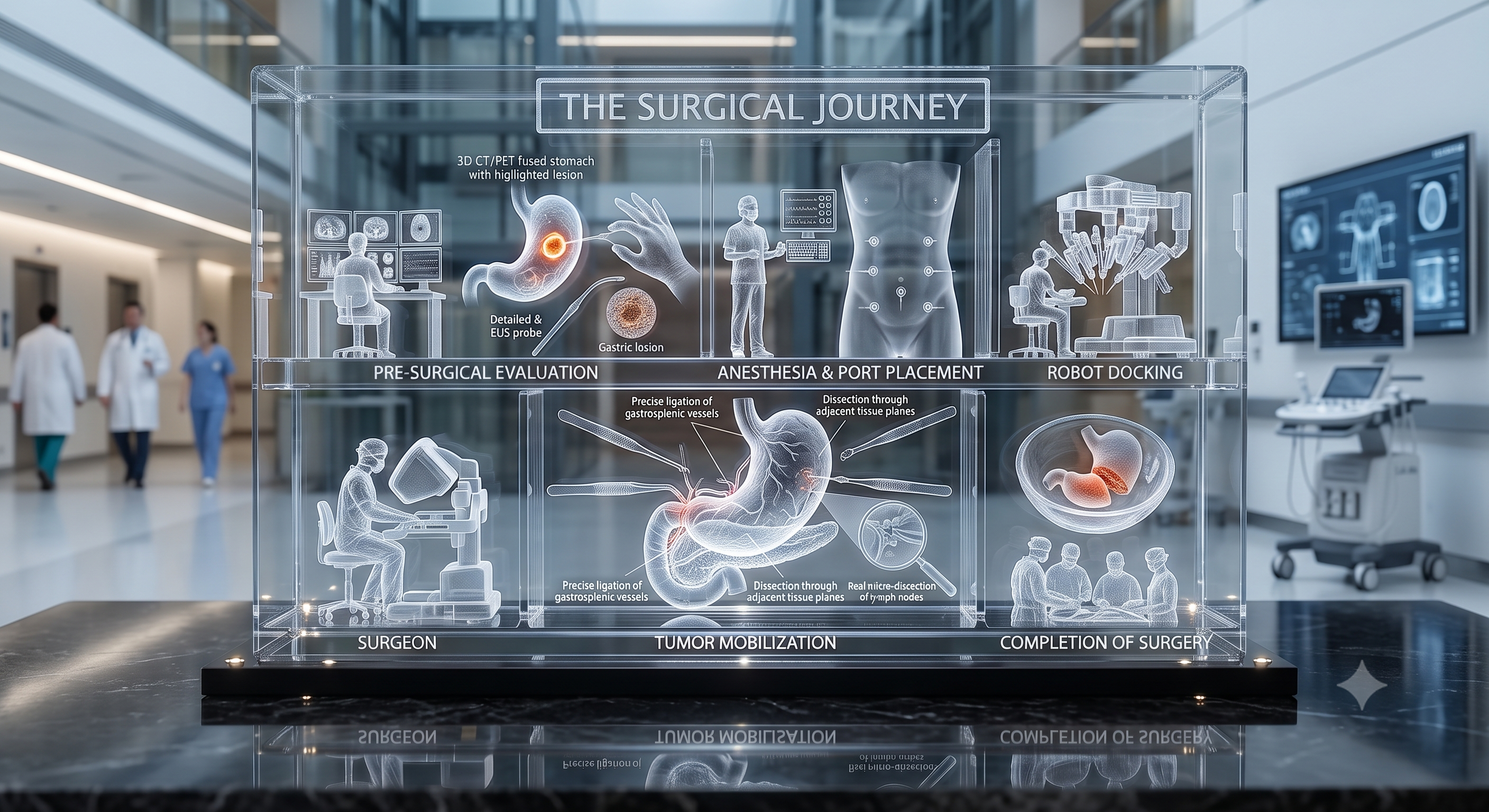
Before surgery, the patient undergoes a complete medical assessment including blood tests, endoscopy, CT/PET scans, and cancer staging. The surgical team carefully evaluates the size, location, and spread of the stomach tumor to create a personalized treatment plan.
On the day of surgery, the patient is given general anesthesia to ensure a painless and comfortable procedure. The abdomen is cleaned and prepared for minimally invasive robotic surgery.
Instead of one large cut, the surgeon creates a few tiny keyhole incisions in the abdomen. Through these small openings, robotic instruments and a high-definition 3D camera are inserted.
The robotic system is connected to the surgical ports. The advanced robotic arms hold specialized surgical instruments that can move with exceptional precision and flexibility inside the body.
The surgeon sits at a nearby robotic console and controls every movement of the robotic instruments in real time. The robot never works independently. The high-definition magnified 3D view helps the surgeon precisely remove the stomach cancer while protecting nearby nerves, blood vessels, and healthy tissues.
Depending on the stage and location of the cancer, part of the stomach or the entire stomach may be removed. Nearby lymph nodes may also be removed to help prevent cancer spread and improve treatment outcomes.
After removing the affected portion, the digestive system is carefully reconstructed so the patient can continue eating and digesting food normally.
Once the procedure is completed, the robotic instruments are removed and the tiny incisions are closed with minimal stitches, resulting in smaller scars and reduced pain.
Why robotic surgery is the gold standard for gastric oncology.
Superior 3D Vision
Surgeons see anatomy in vivid high-definition depth for safer dissection.
Tremor-Free Precision
Hand tremors are filtered out, allowing for microscopic accuracy.
Less Blood Loss
Cautery and suturing are more precise, minimizing surgical trauma.
Faster Recovery
Smaller incisions mean less pain and a quicker return to a normal diet.
D2 Lymphadenectomy
Enhanced ability to remove critical lymph nodes for accurate cancer staging.
Ergonomic Comfort
Surgeons operate seated, reducing fatigue and maintaining sharp focus.
Shorter Hospital Stay
Most robotic patients are discharged 2–3 days earlier than open surgery.
Better Outcomes
Improved oncological margins and reduced post-operative complications.
Early mobilization is key to preventing complications and speeding up bowel function.
Starting with liquids on day 2, moving to soft foods as the gut heals over several weeks.
Most patients return to light work within 2–3 weeks, significantly faster than traditional surgery.
Why Choose Us
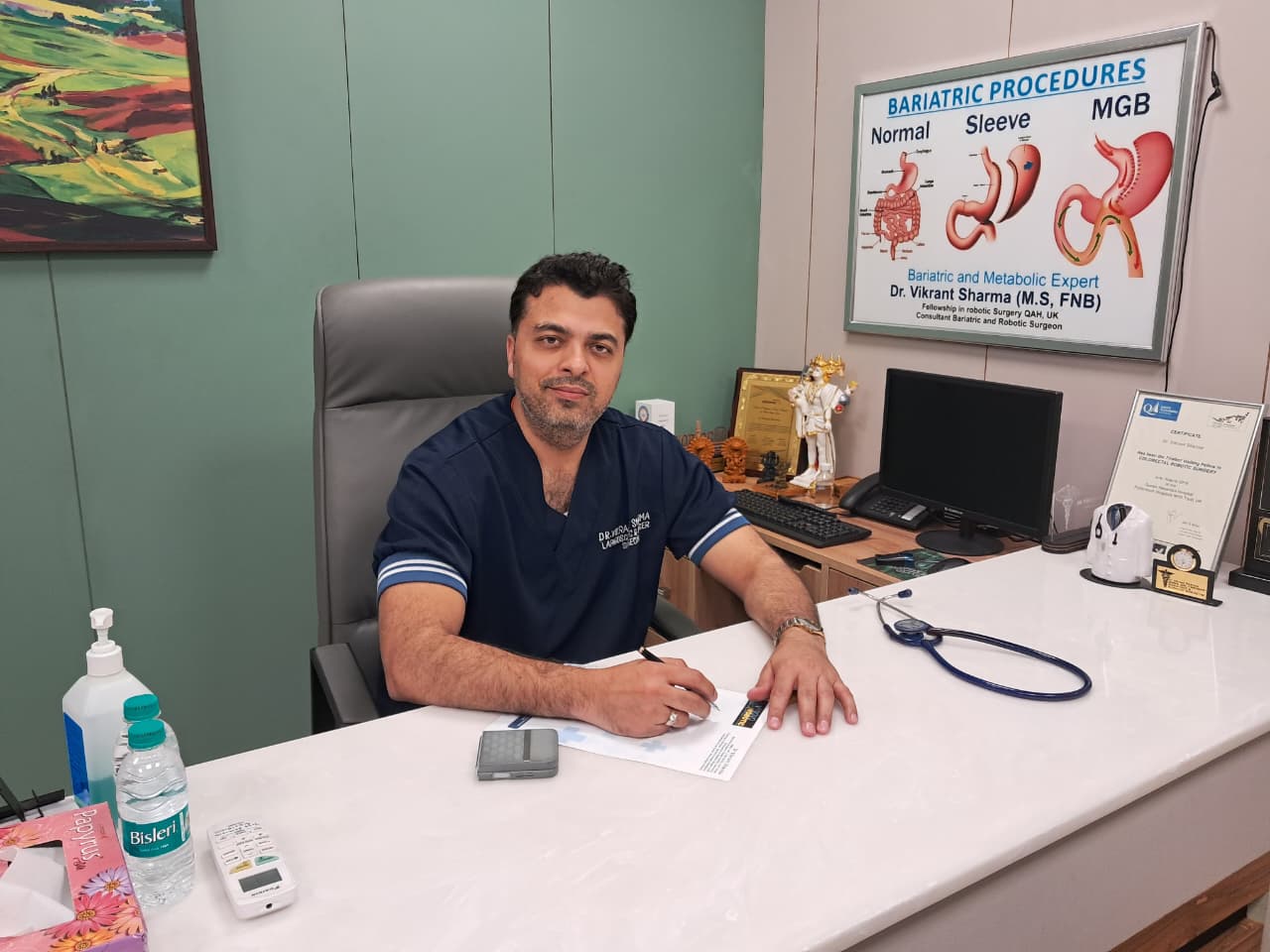
Choosing Novo Robotic Surgery Centre for robotic stomach cancer surgery means receiving advanced, patient-focused care from experienced surgical oncologist Dr Vikrant and his expert team. With more than 10,000 successful minimally invasive surgeries performed over the last decade, NOVO is committed to delivering safe, precise, and effective cancer treatment.
Using advanced robotic technology with high-definition 3D vision, the surgical team can perform stomach cancer surgery with greater accuracy while protecting nearby healthy tissues. This minimally invasive approach helps patients experience smaller cuts, less pain, minimal blood loss, reduced scarring, shorter hospital stays, and faster recovery compared to traditional open surgery.
10,000+
Minimally Invasive Surgeries
25 Yrs
Of Surgical Experience
At Novo Robotic Surgery Centre, patients receive complete care at every stage from detailed diagnosis and personalized treatment planning to post-surgery recovery and nutritional support. Our multidisciplinary team works closely together to ensure the best possible outcomes and help patients return to their normal lives as quickly and comfortably as possible.

Dr. Vikrant
Surgical Oncologist
Our specialists are ready to discuss your options. Early intervention with robotic technology offers the best path back to a healthy life.
Need Clarity
Answers to the questions patients ask us most about robotic stomach cancer surgery.
Most stomach ulcers do not become cancer, but persistent ulcers should always be properly evaluated.
Yes. Early-stage stomach cancer has a much higher chance of successful treatment.
Treatment may include surgery, robotic surgery, chemotherapy, immunotherapy, targeted therapy, and radiation therapy.
Yes. It is considered safe when performed by an experienced robotic GI cancer surgeon.
Yes. It can spread to the liver, lymph nodes, lungs, peritoneum, and other organs if not treated.
Yes. Smoking significantly increases the risk of stomach cancer.